
Choosing the right Portable Solar Panels For Camping in 2026 requires more than comparing wattage on a product page. A lightweight panel may charge quickly in direct sunlight, yet struggle under pine branches or thin cloud. A rugged model may survive dusty campsites, but occupy too much space inside a small vehicle. This guide examines practical differences that matter outdoors, including conversion efficiency, folded size, USB-C output, charging stability, weather resistance, and compatibility with portable power stations.
Renewable-energy author William Kemp describes solar power as “the conversion of sunlight into electricity.” That simple idea becomes less simple beside a tent. Panel angle changes during the day. Cables collect sand. A power station may stop charging when output becomes unstable. These details often matter more than an impressive laboratory rating. Our evaluation approach focuses on published specifications, manufacturer documentation, user feedback, and realistic camping conditions. The goal is useful guidance, not a perfect promise.
No panel wins every trip. That deserves attention. Some recommendations may favor durability over maximum efficiency, while others may suit emergency charging better than weekend comfort. A 200-watt panel can sound powerful, but its weight may discourage regular use. Conversely, a compact 60-watt model may keep phones, lights, and small cameras running with less effort. This 2026 overview compares leading options by use case, helping campers select Portable Solar Panels For Camping that match their weather, distance, equipment, and patience. Small compromises remain. They are worth understanding before leaving the trailhead.
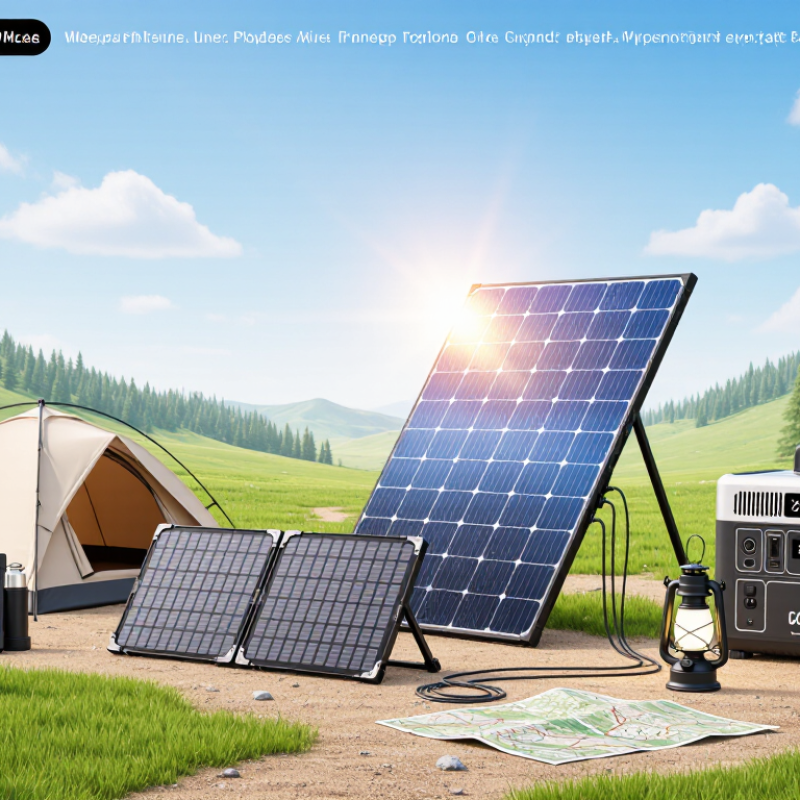
What Are the 2026 Top Portable Solar Panels For Camping?
A suitable camping solar panel must balance power, weight, durability, and simple setup. In 2026, high efficiency matters, but real performance depends on sunlight and temperature. A panel rated at 200 watts may produce much less under morning shade or thin cloud. I have found that honest output estimates are more useful than impressive peak numbers.
Look for folding panels with strong handles, protected cables, and a weather-resistant surface. A stable kickstand helps aim the panel across uneven ground. The best designs also support common charging ports and power stations without complicated adapters. Check the panel’s packed size before buying. It should fit beside cooking equipment, not replace your entire storage area. Some lightweight models feel convenient but can seem fragile after repeated folding. That trade-off deserves more attention.
Tips: Test the panel at home before your trip. Watch its output around midday, then repeat the test in weaker light. Keep the surface clean with a soft, damp cloth. Avoid placing it directly on hot sand, where heat can reduce performance. Leave extra cable length for safer positioning. Weather ratings help, but they do not make every panel waterproof during heavy rain. A small power meter can reveal charging losses that the product label may not mention. Expect variation. That is normal.
When comparing the 2026 top portable solar panels for camping, start with usable power, not headline wattage. The International Energy Agency’s Renewables 2024 report recorded 510 GW of new renewable capacity in 2023, with solar providing most additions. This growth makes efficiency claims more competitive, but field performance still depends on shade, heat, and panel angle. Fraunhofer ISE’s Photovoltaics Report 2024 places common crystalline-silicon module efficiency near 20–23%. For camping, compare rated watts, conversion efficiency, temperature coefficient, and daily energy output. A 200-watt panel may produce much less beside a dusty tent.
Portability also needs practical testing. Check folded size, total weight, handle strength, kickstand stability, and cable length. A strong IP rating helps during sudden rain, but it does not excuse careless storage. Confirm connector compatibility and charging limits before pairing the panel with a battery station. Look for clear warranty terms and published test conditions. I would not trust efficiency alone; I once treated a larger rating as better, then noticed its bulky frame consumed valuable car space. That was a poor comparison.
Tips: Test the panel at midday and late afternoon. Record battery gain, not only voltage. Keep the surface clean. Avoid placing it under partial shade, where output can drop sharply. Read temperature data carefully, because hot fabric-backed panels may lose power. A lightweight panel is convenient, yet repeated folding can create wear. This trade-off deserves attention.
For 2026 camping trips, portable solar panels should match your campsite, weather, and power habits. A foldable monocrystalline panel suits campers needing reliable output in limited space. Its rigid sections usually handle repeated packing better than soft fabric models. I prefer panels with a kickstand and adjustable legs. They keep the surface angled toward midday sunlight. Even a small shadow can reduce charging noticeably.
Thin-film panels work well for lightweight backpacking and irregular surfaces. They are easier to carry across uneven ground, but they often need more surface area. Flexible panels can attach to a van roof or a curved shelter. However, heat buildup may reduce performance during long, sunny afternoons. Ventilation matters. A rigid suitcase-style panel is better for car camping, where storage space and stable placement are available. It can deliver steadier charging for batteries, lamps, and small cooking devices.
Before buying, calculate daily watt-hours instead of trusting peak wattage. A phone, camera, and light may need less than a small cooler. Cloudy weather still produces energy, but charging takes longer. Use a charge controller with appropriate voltage protection. I once packed a high-output panel but forgot its cable adapter, making the extra capacity useless. That mistake still influences my checklist. In real camps, dust, low sun, and restless children can matter more than laboratory ratings. Check the panel’s weight, folded size, connector type, and repair options before leaving home. A short test beside your packed battery can reveal problems early.
| Rank | Portable Solar Panel Type | Typical Rated Output | Typical Conversion Efficiency | Approximate Weight | Folded or Packed Size | Best Camping Use | Main Advantages | Limitations | Portability Rating |
|---|---|---|---|---|---|---|---|---|---|
| 1 | Foldable Monocrystalline Panel | 100–200 W | 20–23% | 4.5–9 kg | Approx. 60–75 × 55–70 × 3–8 cm | Car camping, base camps, and charging medium-sized power stations | Strong power-to-size ratio; efficient in bright sunlight; durable folding construction | Rigid sections take more storage space than flexible panels; best performance requires correct positioning | ★★★★★ |
| 2 | Portable Briefcase-Style Panel | 80–200 W | 19–23% | 5–12 kg | Approx. 65–95 × 50–75 × 5–10 cm when closed | Vehicle-based camping where stable ground placement is available | Protective case; built-in support legs are common; quick to set up and reposition | Heavier and bulkier to carry over long distances; hinges and legs add mechanical parts | ★★★★☆ |
| 3 | Lightweight Flexible Panel | 60–200 W | 16–21% | 1.5–5 kg | Approx. 100–170 × 50–80 × 0.2–0.5 cm | Rooftop tents, camper vans, boats, and weight-sensitive setups | Very light; low profile; can conform to gently curved surfaces | More vulnerable to abrasion, creasing, heat buildup, and long-term bending than rigid panels | ★★★★☆ |
| 4 | Solar Blanket | 60–200 W | 15–20% | 2–7 kg | Approx. 35–75 × 25–45 cm when folded | Backpacking, overlanding, and camps where compact storage is important | Highly packable; easy to spread on sand, grass, or rock; no rigid frame | Can move in wind; fabric and wiring need careful handling; output drops when sections are shaded | ★★★★☆ |
| 5 | Compact Folding Panel | 20–80 W | 18–23% | 0.8–3 kg | Approx. 25–45 × 18–35 × 3–7 cm | Hiking, emergency charging, and phones or small USB battery packs | Easy to carry; simple deployment; suitable for low-power electronics | Not intended for fast charging of large power stations or high-demand appliances | ★★★★★ |
| 6 | Backpack-Integrated Solar Panel | 5–20 W | 15–22% | 0.2–0.8 kg added weight | Integrated into the backpack surface | Day hiking and maintaining charge on small devices while walking | Uses otherwise unused backpack space; convenient for trickle charging | Small surface area; changing orientation and body movement reduce consistent output | ★★★★★ |
| 7 | High-Output Portable Solar Array | 300–500 W | 20–23% | 12–25 kg | Approx. 75–110 × 65–90 × 8–15 cm when packed | Extended base camps, refrigerators, CPAP equipment, and large power stations | Fastest solar replenishment among portable formats; useful for multiple devices | Requires substantial transport space; expensive; needs secure placement and suitable cables | ★★★☆☆ |
Performance figures are typical ranges for commercially available portable solar panels and can vary with cell design, temperature, shading, sunlight angle, and charge-controller efficiency. Rated output is measured under standardized laboratory conditions and is usually higher than real-world camping output.
For weekend car camping, choose a 100–200-watt folding panel with a stable kickstand. It can recharge a power station, camera batteries, and phones during daylight. The International Energy Agency’s Renewables 2024 report expects solar power to provide about 80% of new renewable capacity through 2030. That growth supports better cells, lighter materials, and improved charging controllers. Still, laboratory gains do not guarantee better campsite performance.
Backpackers need a different design. A compact 20–60-watt panel should prioritize low weight, strong attachment points, and easy storage. For basecamp cooking or multi-day trips, a 200–400-watt setup offers more useful capacity. Fraunhofer ISE’s Photovoltaics Report 2024 places mainstream module efficiency near 20–23%. However, shade, dust, heat, and poor alignment can sharply reduce real output. I have seen a panel rated at 100 watts deliver far less under tree cover. Ratings can mislead.
Tips: Match panel wattage with battery input limits. Check the connector before leaving home. Test the setup outdoors, not only beside a sunny window. A tilt angle close to the sun usually helps, but changing weather demands patience. My imperfect rule is simple: carry slightly more capacity than your daily estimate. The extra weight may feel unnecessary until clouds arrive.
Choosing a top portable solar panel for camping starts with your power needs, not its advertised wattage. A 100-watt panel may charge phones and lights, while cooking equipment needs much more capacity. Check the panel’s weight, folded size, weather resistance, and connector type. Monocrystalline panels usually offer strong efficiency in limited space. Flexible models pack easily, but they may need gentler handling.
During camp testing, I place the panel where sunlight remains clear for several hours. Shade from a thin branch can reduce output more than expected. I angle the panel toward the sun and adjust it after lunch. Keep the cable short when possible, because long cables can waste energy. Connect the panel to a compatible charge controller before attaching a battery. Never leave loose connectors on wet ground. It sounds obvious, but rushed setup causes avoidable problems.
Maintenance is simple, though I have neglected it before. Wipe dust, pollen, and bird marks with a soft damp cloth. Avoid abrasive cleaners and sharp tools. Inspect cables for cuts after every trip. Let wet equipment dry fully before storage. Store the panel flat or in its designed fold, without heavy gear pressing on it. Output will vary with clouds, temperature, and angle, so record real charging times instead of trusting the label alone. My own estimates have sometimes been too optimistic. That is useful feedback.
Estimated daily energy output by portable panel size under four peak-sun hours and 80% system efficiency.
Calculation: rated panel power × 4 peak-sun hours × 80% practical system efficiency. For best performance, place the panel in full sun, angle it toward the sun, keep connectors dry, and clean the surface with a soft damp cloth.
Phone: (256) 845-1255 or (256) 845-4493
Fax: (256) 845-1321 or (256) 845-4468
© 2025 Heritage Wire Harness, LLC