Top 10 Cold Chain Solutions for Global Sourcing Needs?
In an interconnected world, the Cold Chain stands as a critical component for global sourcing needs. Businesses rely on it to maintain product quality and safety. As temperatures drop, products like food and pharmaceuticals must be managed carefully. The complexities of cold chain logistics involve precise temperature controls and monitoring systems. These solutions ensure that products remain viable from source to consumer.
Choosing the right cold chain partners can be challenging. Not all logistics providers have the same expertise or capabilities. Companies must consider various factors, including compliance with international standards and equipment reliability. Even minor lapses can lead to spoilage and significant losses. This highlights the importance of selecting trusted solutions that demonstrate proven success in cold chain management.
Innovation continues to shape the cold chain landscape. Breakthrough technologies enhance efficiency and tracking capabilities. However, businesses must remain vigilant and aware of potential shortcomings. Some methods may not be suitable for all products. Evaluating and adapting to specific needs is essential. By understanding the nuances, companies can optimize their sourcing strategies effectively.
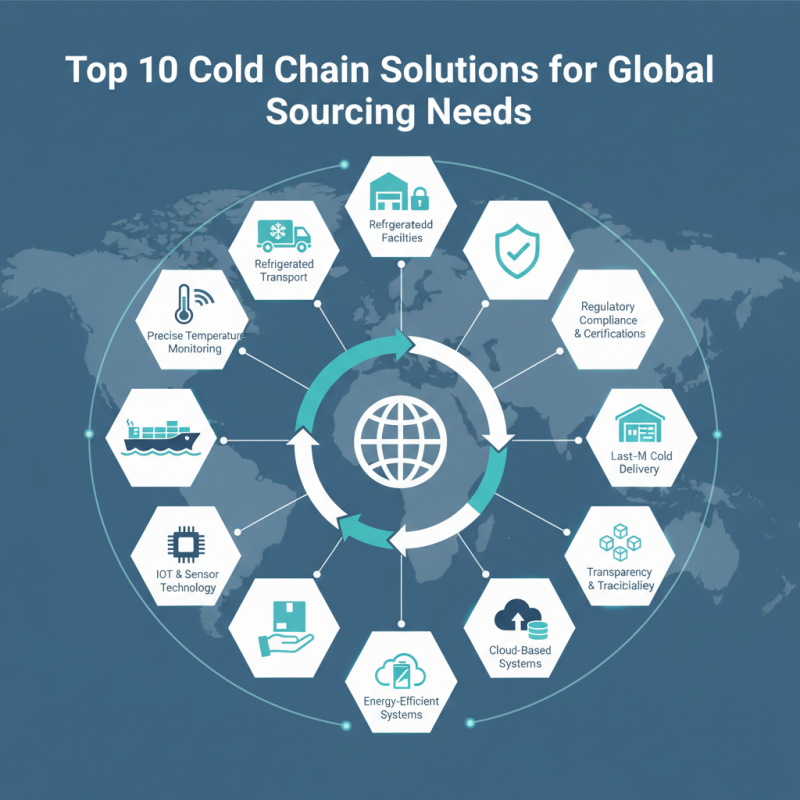
Overview of Cold Chain Logistics and Its Importance for Global Sourcing
Cold chain logistics plays a crucial role in global sourcing. This system ensures that temperature-sensitive products, such as food and pharmaceuticals, are transported effectively. Proper temperature control is essential throughout the supply chain. Instances of temperature failures can lead to spoilage and loss of product integrity.
In the context of global sourcing, the importance of cold chain logistics cannot be overstated. Reliable cooling systems maintain product safety. Frequent temperature monitoring helps mitigate risks. Many supply chain professionals overlook these challenges. They assume that standard practices apply universally, which can lead to costly mistakes. Understanding local regulations and climate variations is key.
Cold chain solutions vary across regions. Some areas face infrastructure limitations, affecting transportation efficiency. Often, companies neglect to adapt their strategies based on these differences. Implementing customized solutions could yield significant rewards. This requires a deep understanding of market needs and consumer expectations. Each link in the chain must be carefully analyzed to ensure flawless execution.
Key Technologies Driving Cold Chain Solutions in the Supply Chain Industry
Cold chain solutions are crucial for preserving perishable goods during transit. These technologies ensure products remain at optimal temperatures. One key component is temperature-controlled packaging. This type of packaging helps maintain specific temperature ranges. Innovations in insulation materials have improved these systems, making them more reliable and efficient.
Another critical technology is real-time monitoring. Sensors track the temperature and humidity of goods in transit. Alerts are sent if conditions fluctuate outside safe limits. This immediate feedback loop can prevent spoilage. Analytics software can also help identify trends and weaknesses within the supply chain.
Despite advancements, challenges remain. Many companies face high costs associated with implementing these technologies. Insufficient infrastructure in some regions can also hinder effectiveness. As the global demand for cold chain solutions grows, continuous improvement and adaptation are necessary. Keeping pace with innovation while addressing these challenges is vital for success in the supply chain industry.
Top Cold Chain Shipping Methods Used for Perishable Goods
Cold chain logistics is crucial for transporting perishable goods. It ensures food and pharmaceuticals maintain their quality from origin to destination. Various shipping methods are used to achieve this goal. Each method has unique features and challenges.
One popular method is refrigerated trucking. Trucks with temperature-control systems keep products safe. However, these trucks require regular maintenance. If a vehicle breaks down, it can lead to significant losses.
Air freight is another option. It is faster but can be expensive. The
temperature control during flights can vary. The logistics provider must be reliable to ensure the shipment remains at the correct temperature.
Container shipping is widely used for bulk items. Reefer containers maintain specific temperatures. However, the loading and unloading process can affect temperature integrity.
This transportation mode is often slower than air, affecting freshness. Companies need to weigh costs versus product quality when choosing a method. Each shipping option has trade-offs, and careful planning is essential for success. Best Practices for Enhancing Cold Chain Efficiency and Compliance
Cold chain logistics is essential for preserving temperature-sensitive products. Maintaining integrity throughout the supply chain is crucial. Organizations need to adopt best practices for efficiency and compliance. This ensures safe transportation of perishable items.
One key aspect is temperature monitoring. Real-time data logging allows for proactive response to fluctuations. Many organizations install sensors that alert personnel to temperature changes. However, the initial setup can be costly and may require ongoing adjustments. Investing in reliable equipment pays off in the long run. Training staff to handle emergencies is equally important. Compassionate handling prevents temperature excursions caused by human error.
Collaboration is also vital. Sharing best practices among partners can enhance overall supply chain performance. Yet, different stakeholders may face challenges due to varying standards. These discrepancies can lead to inconsistencies in compliance. Regular audits can help identify gaps in processes. Addressing these issues requires ongoing commitment. Companies may need to revisit protocols to improve outcomes continually. This iterative approach fosters resilience and trust, which are essential in a robust cold chain system.
Future Trends in Cold Chain Solutions for Global Sourcing Needs
The cold chain industry is evolving rapidly to meet global sourcing demands. As businesses expand across borders, maintaining product integrity is crucial. Future trends suggest increased automation in temperature monitoring. This technology enhances efficiency and minimizes human error, ensuring compliance with safety standards.
Blockchain integration is another key trend. It provides transparency throughout the supply chain. This technology can track product movement in real time, which builds trust among stakeholders. However, as this technology is implemented, organizations must ensure staff are trained effectively. Rushing this process might lead to crucial oversights.
Sustainability is also gaining traction. Companies are exploring eco-friendly refrigerants and energy-efficient systems. Implementing these can reduce carbon footprints. Yet, transitioning to greener options may require significant investment. Taking time to evaluate long-term benefits is essential.
**Tips:**
- Regular training can improve workforce readiness.
- Monitor emerging technologies for competitive advantage.
- Balance cost and sustainability in decision-making.
Top 10 Cold Chain Solutions for Global Sourcing Needs
This bar chart illustrates the adoption levels of various cold chain solutions crucial for global sourcing in 2023. The data reflects the popularity of each solution, showcasing the industry's shift towards maintaining quality and safety in the supply chain.