Top 10 Die Casting Parts for Global Buyers to Consider?
Die Casting Parts play a crucial role in modern manufacturing. They are widely used in automotive, electronics, and consumer goods sectors. This process involves injecting molten metal into molds to create precise shapes. As global demand shifts, buyers must prioritize quality and reliability in their sourcing.
Understanding the specific die casting parts needed can be challenging. There are various materials, designs, and manufacturers to consider. Each choice affects production costs and product durability. Buyers should invest time in research, considering not just price but also the reliability of suppliers. Some companies might cut corners on quality. This can lead to costly errors down the line.
Evaluating top die casting parts is essential for informed decision-making. It ensures that products meet performance standards and customer expectations. Buyers must learn about features like surface finish, tolerances, and weight. Awareness of these details can prevent potential pitfalls. Making the right choices today will pay off in the long run.
Overview of Die Casting Process and Its Advantages
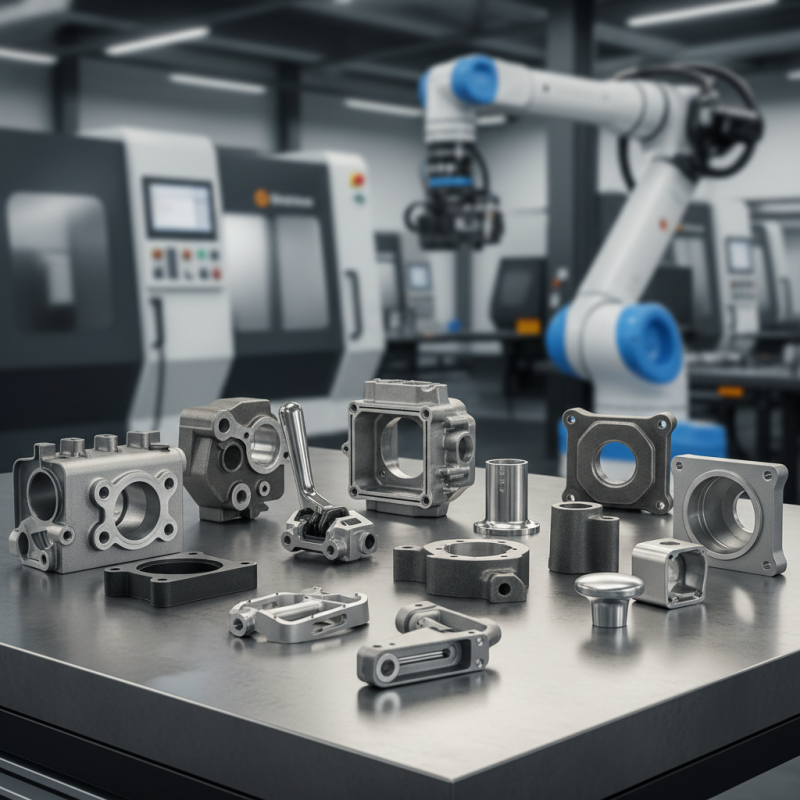
Die casting is a manufacturing process that involves forcing molten metal into a mold. This technique is vital for creating parts with precision and durability. Key advantages of die casting include faster production rates and the ability to produce intricate components. The process is particularly suited for non-ferrous metals, which can improve the strength and reduce the weight of parts.
One of the significant benefits is the cost-effectiveness in mass production. However, quality control must be maintained. Small defects can lead to significant issues in functionality. Thus, choosing the right parameters during production is critical. A detailed examination of molds and metal temperatures is essential to achieving high-quality parts.
**Tips:** Always verify the quality of the molds used. Inspect for flaws regularly during production. Consider testing prototype parts for performance under real-world conditions. Proper training for operators can also enhance the process’s reliability. Keep in mind, even minor adjustments can lead to better results.
Top 10 Die Casting Parts for Global Buyers to Consider
| Part Name | Material | Industry Application | Advantages |
| Automotive Housing | Aluminum | Automotive | Lightweight, corrosion-resistant |
| Electrical Enclosures | Zinc | Electronics | Excellent conductivity, durable |
| Pump Housings | Aluminum | Hydraulic Systems | Thermal conductivity, strength |
| Heat Sinks | Copper | Cooling Systems | High thermal conductivity |
| Bicycle Frames | Aluminum | Sports Equipment | Lightweight, impact resistant |
| Industrial Housings | Zinc | Manufacturing | Durable, cost-effective |
| Aerospace Components | Aluminum | Aerospace | High strength-to-weight ratio |
| Automotive Brackets | Aluminum | Automotive | Lightweight, strong |
| Valves | Zinc | Oil & Gas | Resistant to corrosion |
| Consumer Electronics Cases | Aluminum | Electronics | Aesthetic appeal, lightweight |
Key Factors to Consider When Selecting Die Casting Parts
When selecting die casting parts, several key factors should be considered. Understand the material requirements first. Aluminum and zinc are popular choices due to their strength and lightweight properties. According to industry reports, aluminum die casting accounts for over 80% of the market. This emphasizes the material's significance in product performance and longevity.
Next, evaluate the part's design complexity. Die casting allows for intricate shapes but can lead to higher production costs. A study revealed that complex designs might increase costs by up to 20%. Be sure to balance design aesthetics with functionality and budget constraints. Tighter tolerances may require more advanced tooling, impacting overall expense.
Tip: Always consult with engineers to assess feasibility before finalizing designs. Collaborating early can save time and reduce costs later.
Consider the manufacturer’s production capabilities. Not all companies can handle high-volume orders or specific tolerances. A reliable supplier will have advanced machinery and experienced staff. Industry benchmarks suggest choosing suppliers with ISO certifications ensures consistent quality.
Tip: Request samples before committing. Evaluating prototypes can reveal hidden flaws while confirming material performance.
In the die casting industry, staying informed about trends and technological advancements is crucial. This helps avoid potential pitfalls. Assess the supply chain and market fluctuations that could impact material costs.
Top 10 Applications of Die Casting Parts in Various Industries
Die casting parts have become integral to various industries. These components are crafted through a process that involves forcing molten metal into a mold. The versatility of die casting allows it to be used in sectors ranging from automotive to consumer electronics. For example, in the automotive industry, die-cast parts are frequently used for engine blocks and transmission cases. The durability and precision of these components make them ideal for high-performance vehicles.
In the consumer electronics sector, die casting is often utilized for housings and enclosures. These parts are lightweight yet sturdy. The aesthetic finish provides added appeal. However, not all die casting processes yield perfect results. Variations in metal quality can lead to defects. This highlights the importance of sourcing and evaluating materials carefully. Another area where die casting shines is in the aerospace industry, where components must meet stringent safety standards. Overall, each application presents unique challenges that require continuous refinement and innovation.
Top 10 Applications of Die Casting Parts in Various Industries
This chart illustrates the top applications of die casting parts across various industries. The data represent the percentage usage of die casting parts in each application, highlighting the versatility and significance of these components in modern manufacturing.
Material Options for Die Casting Parts and Their Benefits
Die casting offers versatile material options, crucial for global buyers. The right material maximizes performance and adaptability. Aluminum is among the most popular choices. It is lightweight yet strong. Aluminum parts exhibit great corrosion resistance, making them ideal for outdoor applications.
Zinc is another excellent option. It has superior casting qualities. The durability of zinc die casting parts leads to long-lasting components. This can lower maintenance needs over time. Additionally, magnesium is emerging as a promising material. It is the lightest structural metal available, which is beneficial in weight-sensitive designs.
**Tip:** Consider the end-use of your part. Each material has unique benefits tailored to specific applications. Analyze your requirements carefully.
Not every material fits every need. Sometimes, the most robust option isn't the best choice. Price and functionality must align. Balance your priorities when selecting materials for die casting parts. Testing and evaluation can yield unexpected insights about performance.
Future Trends in Die Casting Parts for Global Markets
The die casting industry is evolving rapidly. According to a recent market analysis, the global die casting market is projected to reach $25 billion by 2026. This expansion is largely driven by increased demand in automotive, aerospace, and consumer electronics. With the rise of electric vehicles, manufacturers are focusing on lightweight components. This trend enhances fuel efficiency and reduces carbon emissions.
Sustainability is becoming increasingly critical. Traditional die casting processes often produce substantial waste. In response, businesses are investing in eco-friendly techniques. Innovative technologies, such as 3D printing and automation, are also gaining traction. These advancements not only improve efficiency but also lower operational costs.
Quality control remains a significant concern. Many suppliers struggle with consistency. This issue leads to product recalls and financial losses. Adopting robust quality management systems is essential. Companies that embrace rigorous testing protocols will likely outperform their competitors. As the die casting landscape evolves, staying informed about these trends is vital for global buyers.