
As the digital landscape evolves, DOOH LED billboards are becoming pivotal for advertisers. Experts like Mark Johnson, a leading figure in outdoor advertising, assert, “Digital out-of-home advertising is reshaping how brands connect with consumers.” This statement reflects the transformative impact of DOOH LED billboards in modern marketing strategies.
With advances in technology, the trends surrounding these dynamic displays are constantly shifting. Buyers now seek innovative solutions that enhance engagement. Integrating interactivity and data-driven content is crucial for success. For instance, real-time analytics can optimize ad placements and effectiveness.
However, navigating this space poses challenges. As competition grows, brands must distinguish themselves. A cookie-cutter approach will not suffice. Understanding audience behavior and local context is essential for maximizing impact. The future of DOOH LED billboards appears promising, yet it demands a commitment to continual learning and adaptation.
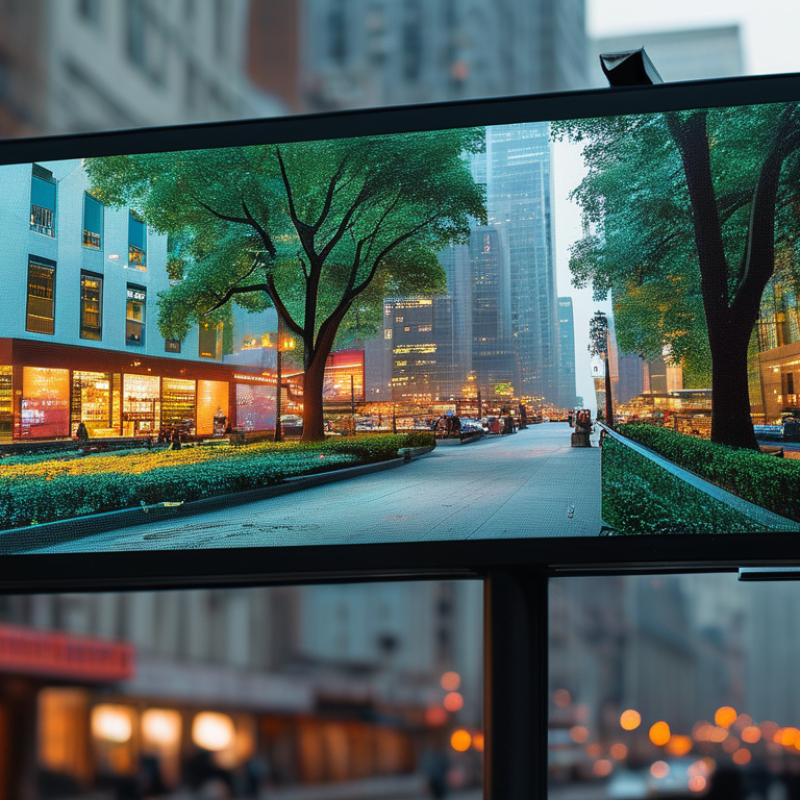
The emergence of 5G technology is revolutionizing the digital out-of-home (DOOH) advertising landscape. With data speeds 10 to 100 times faster than 4G, 5G enables seamless video streaming and interactive content. This shift is pivotal for LED billboards, allowing advertisers to deliver richer experiences. Some studies suggest that 5G can improve user engagement by up to 55%. Brands can leverage this technology to focus on targeted advertising, enhancing conversion rates.
Incorporating real-time data into advertising strategies is becoming essential. For instance, a recent report indicates that dynamic content driven by live metrics increases viewer retention by 45%. This shift encourages billboards to display weather updates, traffic conditions, or even social media trends. The depth of personalization in ads could redefine how customers interact with brands.
Consider optimizing your content based on location and demographics. Analyzing foot traffic data can lead to better ad placement and timing. Experiment with integrating augmented reality (AR) features. AR can elevate the viewing experience and invite interaction. Reflect on the balance between creativity and analytics to drive effective campaigns. Combining both will enhance the impact of your DOOH strategies.
The rise of programmatic advertising in digital out-of-home (DOOH) networks is reshaping the advertising landscape. This shift allows advertisers to purchase ad space in real-time, targeting specific audiences with precision. Automated systems analyze data to make instant decisions, maximizing the impact of campaigns. Brands are increasingly relying on this technology to enhance engagement and reach their goals effectively.
With programmatic advertising, targeting becomes more refined. Advertisers can utilize real-time data, making adjustments on the fly. This flexibility is a game changer for campaigns. You can analyze the performance of ads instantly and pivot as needed. Success lies in understanding audience behaviors and preferences. Savvy marketers continuously explore these metrics for better results.
It's essential to remember that programmatic advertising is not a one-size-fits-all solution. Some advertisers may encounter challenges, such as data privacy issues or ad fatigue. Relying solely on technology can lead to missed creative opportunities. Combining data insights with human creativity ensures campaigns resonate with viewers. Always question whether your approach is delivering genuine engagement. Diversifying strategies can lead to more effective outcomes.
The integration of artificial intelligence (AI) in outdoor digital advertising is transforming the landscape of digital out-of-home (DOOH) advertising. According to a recent industry report, 74% of marketers believe AI will boost their advertising efficiency significantly by 2025. AI algorithms analyze viewer data, delivering personalized content that resonates with specific audiences. This real-time adjustment enhances engagement, driving a potentially higher return on investment.
For marketers, leveraging AI means refining targeting strategies. Data can pinpoint the right audience based on demographics, behaviors, and even weather conditions. This can significantly increase campaign success rates. However, the reliance on data raises questions about privacy and data security. Marketers must tread carefully, ensuring compliance with regulations while optimizing ad spend.
Exploring AI also prompts reevaluation of creativity in advertising. AI tools can generate content ideas, but they may lack the human touch that makes campaigns memorable. Balancing AI usage and creative intuition is critical. When integrating AI into your billboard strategy, focus on maintaining authentic connections with your audience. Consider testing various content types to discover what resonates best. Embrace the data but remember the importance of emotional engagement.
Sustainability in LED billboard production and operation is gaining traction. Many manufacturers are focusing on eco-friendly materials. Recyclable components are becoming a standard practice. Using energy-efficient technology reduces overall power consumption. This shift not only minimizes carbon footprints but also cuts operational costs.
However, challenges remain in achieving full sustainability. Some LED billboards still rely on non-renewable materials. Industry leaders are exploring biodegradable options, but widespread adoption is slow. The recycling process for old LED panels also needs improvement. The cost and logistics of recycling can deter companies from prioritizing these practices. Finding effective solutions for disposal and reuse is crucial for sustainability.
Integrating solar panels into LED billboards is a growing trend. These systems harness renewable energy, allowing billboards to operate off-grid. Despite the benefits, the initial setup costs can be high. Customers often hesitate to invest, considering short-term expenses. Balancing cost with environmental responsibility remains a challenge for the industry.
| Trend | Description | Sustainability Aspect | Impact on Market |
|---|---|---|---|
| Eco-friendly materials | Use of recyclable and sustainable materials in LED billboard production. | Reduced carbon footprint and waste. | Attracts environmentally conscious brands. |
| Energy-efficient technology | Implementation of low-energy consumption LED systems. | Lower energy consumption, contributing to sustainability. | Cost savings on energy bills. |
| Flexible advertising formats | Dynamic content delivery and adaptive signage based on data. | Reduces waste from physical materials. | Increased engagement and effectiveness. |
| Smart connectivity | Integration with IoT devices for real-time data usage. | Optimizes resource usage. | Enhances campaign responsiveness. |
| Modular designs | Billboards designed for easy repairs and upgrades. | Minimizes product waste. | Longer product life cycles. |
| Local content sourcing | Using local artists and businesses for content creation. | Supports local economies and reduces transportation emissions. | Improves community engagement. |
| Solar-powered billboards | Billboards powered by solar panels. | Use of renewable energy sources. | Reduces reliance on fossil fuels. |
| Data analytics for content management | Using data to tailor advertisements based on user behavior. | Maximizes content relevance and efficiency. | Higher ROI for advertising campaigns. |
| Recyclable electronic waste management | Processes for recycling and repurposing old LED components. | Reduces landfill waste. | Promotes corporate responsibility. |
| Consumer engagement through interactivity | Interactive displays to engage viewers. | Encourages sustainable behavior through engagement. | Builds brand loyalty. |
Enhanced audience analytics are revolutionizing targeted DOOH campaigns. According to recent studies, nearly 70% of marketers believe data-driven insights improve campaign effectiveness. This shift towards analytics allows advertisers to understand and reach their audience more effectively. Real-time data collection helps identify viewer demographics and behaviors.
Some companies are investing in advanced analytics platforms to measure engagement. This data can reveal peak view times and preferred content types. A 2023 survey indicated that 55% of buyers consider audience insights a top priority. However, data privacy remains a significant concern. Striking a balance between effective targeting and consumer privacy is crucial.
While the opportunities are vast, challenges persist. Many advertisers struggle with data integration across platforms. Inconsistent data sources can lead to inaccurate insights. Moreover, over-reliance on data can stifle creativity in campaign development. Marketers must navigate this landscape carefully to maximize the benefits of enhanced audience analytics in DOOH advertising.
Phone: (256) 845-1255 or (256) 845-4493
Fax: (256) 845-1321 or (256) 845-4468
© 2025 Heritage Wire Harness, LLC