Top Industrial Computer Solutions for Global Buyers?
As the demand for robust computing solutions rises, the prominence of the "Промышленный компьютер" has become evident. Various industries now rely on these devices to ensure seamless operations. According to a recent report by MarketsandMarkets, the industrial computer market is projected to reach $9.57 billion by 2025, growing at a CAGR of 6.2%. This growth underscores the profound reliance on industrial computers in manufacturing, automotive, and telecommunications sectors.
These systems are designed to withstand harsh environments, featuring enhanced durability and performance. However, challenges remain. Integration issues with legacy systems often complicate the adoption of new technologies. Buyers must evaluate compatibility alongside the benefits of advanced functionalities. A well-researched decision can lead to significant improvements in efficiency and productivity. Still, missteps can incur costs and delays, highlighting the importance of expertise in the purchasing process.
In conclusion, the right industrial computer can transform operations. However, buyers should approach this decision with caution, weighing the advantages against potential pitfalls. Collaboration with knowledgeable vendors can provide necessary insights. This careful consideration is vital in navigating today’s complex digital landscape.
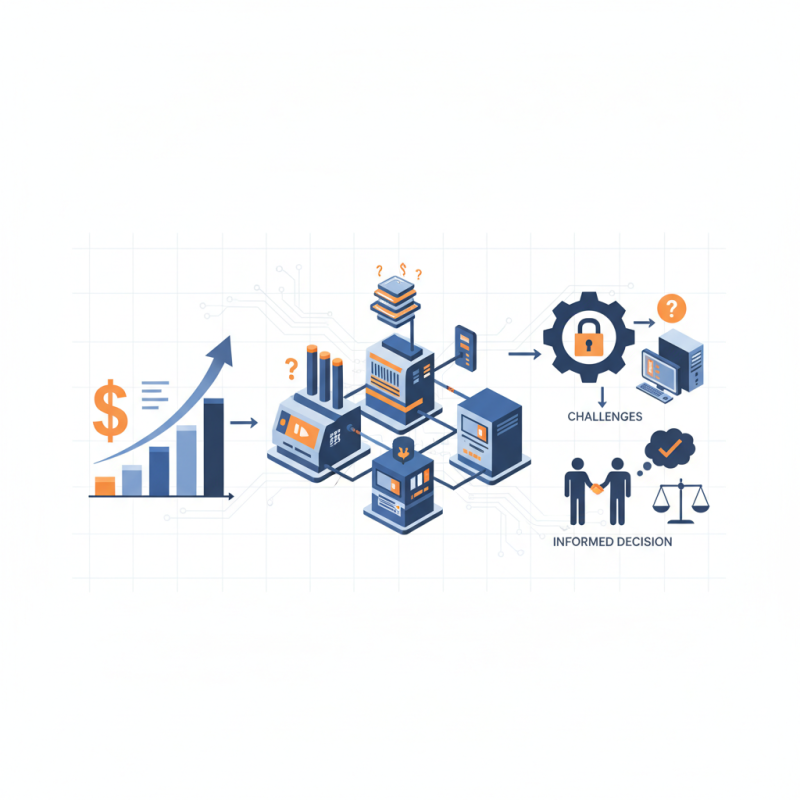
Overview of Industrial Computer Solutions for Global Markets
The demand for industrial computer solutions is on the rise globally. According to a report published by Markets and Markets, the industrial computer market is expected to reach $7.8 billion by 2026. This growth reflects the increasing integration of advanced technology in manufacturing processes. Industrial computers are vital in sectors like manufacturing, healthcare, and automation.
A significant trend is the shift towards edge computing. With more data generated at remote sites, processing needs to occur closer to the source. Research from IDC shows that by 2025, 75% of enterprise data will be generated outside traditional data centers. This creates opportunities for specialized industrial computing systems designed to function in harsh environments. However, the challenge lies in ensuring these systems remain reliable under extreme conditions.
Additionally, interoperability is crucial for industrial operations. Systems must work seamlessly together to enhance productivity. Numerous reports highlight that over 50% of organizations struggle with integration issues. These bottlenecks can hinder the potential benefits of adopting new technologies. Companies need to evaluate their infrastructure and invest in solutions that prioritize compatibility to thrive in an evolving market landscape.
Key Features to Consider in Industrial Computers
When selecting industrial computers, several key features demand attention. One primary concern is durability. These devices operate in challenging environments, where temperature fluctuations and dust are common. Manufacturers design them to withstand such conditions. Buyers should request details about temperature ratings and IP ratings. These specifications indicate how well a computer can resist external elements.
Another critical aspect is processing power. Industrial tasks often require robust processing capabilities. Look for processors that can handle advanced computations without lag. Consider the RAM capacity too. More memory allows for faster data processing. This is vital for applications that require real-time decision-making.
Connectivity options also play a vital role. Industrial computers often need to communicate with other machines and systems. Ensure that the chosen device supports various connectivity options, including Ethernet and serial ports. Investigate potential security measures as well. Industrial systems are vulnerable to cyber threats. Reliable security features help protect sensitive information and ensure operational continuity.
Top Brands and Manufacturers in the Industrial Computer Sector
The industrial computer sector is evolving rapidly. Buyers are looking for solutions that can withstand harsh environments. These computers must boast durability, reliability, and efficiency. Many top manufacturers are now focusing on rugged designs. They understand that industrial settings—like factories or warehouses—present unique challenges.
In this competitive market, several brands stand out. They provide a wide range of products tailored to specific needs. Some focus on compact designs, making them easy to integrate. Others prioritize high processing power, useful for data-intensive tasks. However, not all products meet the high standards demanded by the industry. Buyers must be cautious. Always review specifications carefully.
Customization is another important aspect. Some companies are willing to adapt their products for unique applications. This flexibility can offer great value. Nevertheless, customers should verify the manufacturer's experience and track record. Ultimately, informed choices lead to better solutions.
Industry experts emphasize the importance of thorough research. Investing time in this process often pays off.
Emerging Trends in Industrial Computing Technology
Emerging trends in industrial computing technology are shaping the future. One significant trend is the integration of artificial intelligence (AI) into industrial systems. AI enhances data analysis, enabling real-time decision-making. Machines learn from vast amounts of data, improving efficiency and reducing downtime. This shift necessitates robust hardware that can handle intensive computations.
Another trend is the growing importance of edge computing. By processing data closer to the source, latency decreases. This is crucial for applications requiring immediate response, such as robotics and automation. However, deploying edge solutions presents challenges. Security and data privacy concerns are at the forefront, as information travels across networks.
Moreover, sustainability is becoming a key focus. Innovative cooling solutions and energy-efficient components are being prioritized. Companies need to reflect on their environmental impact. The industrial computing landscape is evolving rapidly, and staying informed is essential for global buyers. Understanding these trends can lead to informed decisions and competitive advantages.
Top Industrial Computer Solutions for Global Buyers
This bar chart illustrates the adoption rates of various emerging trends in industrial computing technology among global buyers. As shown, IoT Integration leads with a 55% adoption rate, indicating a significant interest in connected solutions across industries.
Case Studies of Successful Industrial Computer Implementations
Industrial computers are transforming sectors like manufacturing and logistics. Successful implementations illustrate their potential. One case involved a factory upgrading its control systems. They faced challenges with old hardware and data integration. The new solution streamlined processes, but issues arose during installation. Staff needed training, which delayed operations.
In another example, a logistics company sought to enhance inventory management. They integrated industrial computers with their existing software. This effort improved tracking accuracy. However, unexpected software bugs led to temporary setbacks. Ongoing support was crucial for resolving these issues.
These experiences underscore the need for careful planning. Understanding specific needs can mitigate potential challenges. Balancing advanced technology with user readiness is vital. Industrial computer solutions hold promise, yet require cautious steps for full success.
Top Industrial Computer Solutions for Global Buyers
| Implementation Sector | Solution Type | Key Benefits | Case Study Summary |
| Manufacturing | Embedded Systems | Increased efficiency, reduced downtime | Implemented a real-time monitoring system leading to a 20% production increase. |
| Transportation | Rugged Mobile Computers | Enhanced data collection, improved safety | Deployed mobile solutions for fleet management improving compliance by 30%. |
| Energy | IoT Solutions | Real-time monitoring, predictive maintenance | Implementing IoT sensors led to a reduction of operational costs by 15%. |
| Healthcare | Medical Grade Computing | Improved patient data security, higher reliability | Adoption of computing solutions improved patient outcome tracking systems significantly. |
| Food Processing | Automation Systems | Quality control, speed of operation | Utilized automation reducing errors in quality control by 25%. |