Top 10 Metal Fabrication Techniques Buyers Need to Know?
Metal Fabrication is a critical industry, providing essential components for various sectors. According to IBISWorld, the metal fabrication market reached a value of approximately $98 billion in 2022. This demonstrates the vast scope and importance of this field. As industries evolve, understanding the top metal fabrication techniques is vital for buyers. Knowledge of these methods can lead to better decision-making and efficient production processes.
With advanced technologies pushing the boundaries, buyers often face challenges. The complexities involved in choosing the right techniques remain daunting. For instance, techniques like laser cutting and welding are not merely options; they are game-changers in precision and speed. Yet, many businesses still rely on traditional methods. This reliance can hinder growth and efficiency.
In today's competitive landscape, staying informed about contemporary approaches in metal fabrication is crucial. Experts advocate for a balanced approach that combines innovation with time-tested methods. Thus, navigating this terrain requires an informed perspective on the latest techniques and their implications for production and cost efficiency. A well-rounded understanding empowers buyers, allowing them to align their strategies with industry standards.
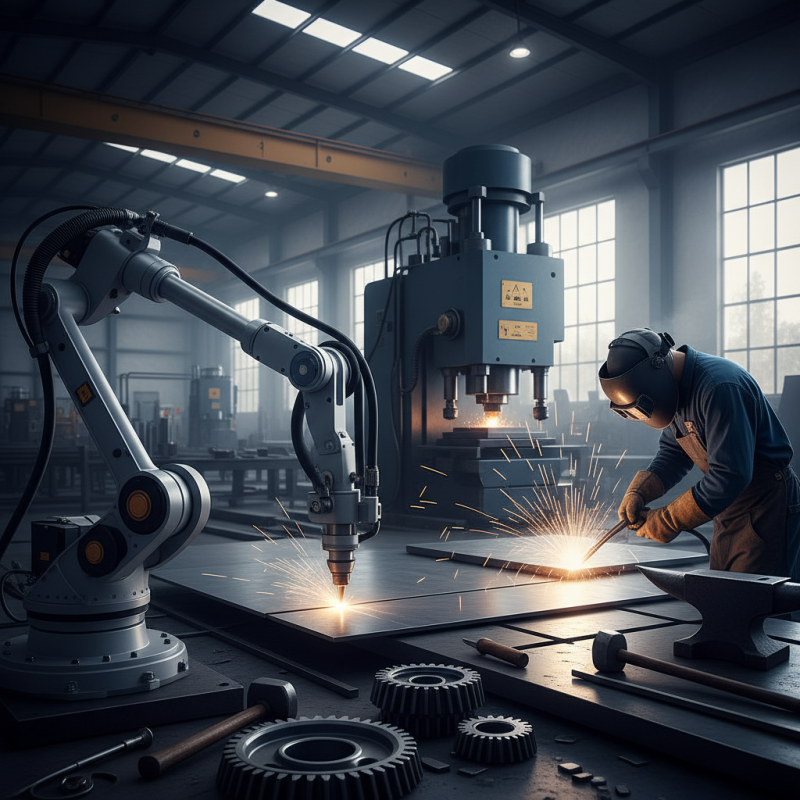
Overview of Metal Fabrication Techniques
Metal fabrication is a critical process in many industries. Understanding the techniques involved can enhance decision-making. Some common methods include welding, machining, and bending. Each has unique applications and benefits.
Welding joins metal parts using heat. It’s versatile, but requires skilled labor. Machining shapes metal precisely. This technique allows for tight tolerances, yet it can be time-consuming and costly. Bending, on the other hand, is used to create angles in metal sheets. It’s effective but may require extensive pressure, which can lead to metal fatigue.
Investing in these techniques requires careful consideration. The wrong choice may lead to wasted materials and time. It’s essential to assess the project's needs to select the most appropriate method. Exploring these techniques can help buyers make informed choices that suit their specific requirements.
Understanding Cutting Methods in Metal Fabrication
In metal fabrication, cutting methods play a crucial role. Understanding these techniques can significantly impact the final product's quality. One common method is laser cutting. This method delivers precision and clean edges. It's favored for complex designs. However, laser cutting can be expensive and may not be suitable for thicker materials.
Another technique is plasma cutting. This method uses high-velocity ionized gas to cut metal. It is effective for rusted or painted surfaces. Plasma cutting can produce rough edges, which may require additional finishing steps. Additionally, waterjet cutting offers an alternative by using a high-pressure water stream. It can cut through various materials without heat distortion. Yet, it might not be as fast as other methods.
Finally, oxy-fuel cutting is a traditional method that involves a flame. While it's cost-effective, it is less precise than newer techniques. Each method carries its strengths and weaknesses. Buyers should consider the specific requirements of their projects before choosing a cutting method. Awareness of these techniques can lead to better decision-making in metal fabrication.
Welding Techniques: Key Approaches in Metal Assembly
Welding plays a crucial role in metal assembly. It’s a versatile technique used across various industries. Understanding different welding methods can significantly impact the quality and durability of a finished product.
There are several popular welding techniques. MIG (Metal Inert Gas) welding is known for its speed and ease of use. It’s ideal for beginners and quick repairs. TIG (Tungsten Inert Gas) welding offers precision. This method is excellent for intricate designs and thinner materials. However, it requires more skill and practice. Arc welding is another common approach. It works well for heavy materials but can produce more heat distortion.
Each technique has its advantages and limitations. Experience plays a vital role in choosing the right method for a project. Beginners might find the learning curve steep. Practice is necessary to master each technique. Not understanding the nuances can lead to mistakes. Attention to detail is essential in welding to ensure proper fusion. Reflecting on each project helps improve skills over time.
Finishing Processes: Enhancing Metal Components
Finishing processes are crucial for enhancing metal components. These processes not only improve the appearance but also increase durability. Surface treatments like coating and plating can provide additional protection against corrosion. A well-finished product can withstand harsh environments and last longer.
Different techniques serve various purposes in the finishing stage. For instance, painting gives a protective layer and aesthetic appeal. Powder coating offers durability and a versatile range of colors. However, achieving the desired finish requires meticulous preparation and skilled application. Even minor mistakes can compromise the end result.
Quality control is vital in this phase. Each finished piece should undergo inspection to ensure it meets specified standards. This attention to detail plays a significant role in customer satisfaction. Clients often expect high-quality finishes that reflect their brand’s integrity. Inconsistent finishing can lead to disappointment and lost trust in the supplier.
Top 10 Metal Fabrication Techniques Buyers Need to Know - Finishing Processes: Enhancing Metal Components
Importance of Design Considerations in Metal Fabrication
Design considerations are crucial in metal fabrication. Proper design ensures that components meet functionality and aesthetic requirements. According to a report by the Fabricators & Manufacturers Association, 70% of fabrication issues stem from poor design decisions. This statistic highlights the importance of engaging with experienced designers early in the process.
Involving design teams in the initial stages can prevent costly mistakes. This includes selecting suitable materials and understanding production methods. A study from the American Society of Mechanical Engineers suggests that 80% of the lifecycle costs of a product are determined during the design phase. Ignoring design can lead to inefficient production and wasted resources.
Moreover, effective communication between engineers and designers minimizes misunderstandings. This cooperation is key to enhancing the fabrication process. Manufacturers often overlook the impact of design on lead times. Delays in design phases can disrupt entire project timelines. Regular reviews and feedback loops can help align expectations and improve outcomes.