
Blog

Top Red Light Treatment Face Devices for Global Buyers

Choosing the right Red Light Treatment Face device can feel difficult for global buyers. Online listings often promise brighter skin, smoother texture, and faster visible results. However, product quality varies widely across brands, regions, and price levels. A reliable comparison should examine wavelength ranges, light intensity, treatment coverage, comfort, battery performance, and safety documentation. It should also consider whether the device fits real routines, not only polished marketing images.

Clinical research commonly explores red and near-infrared light for supporting skin appearance and cellular activity. Yet results may depend on treatment consistency, device specifications, skin condition, and individual response. Buyers should look for transparent irradiance information, clear usage instructions, warranty coverage, and credible testing records. Regulatory marks may differ between markets, so local requirements deserve careful checking. Do not assume every certification means the same thing.

Small details matter. A flexible mask should rest evenly across the cheeks, while rigid plastic may create uncomfortable pressure near the nose. Bright LEDs can feel distracting in a quiet evening routine. Some users may notice dryness, warmth, or temporary irritation. Stop if discomfort continues, and seek professional advice when necessary.

No device is perfect. Even well-designed products cannot replace sunscreen, sleep, or appropriate dermatological care. This guide compares leading options with a practical, evidence-aware approach. It highlights useful strengths, overlooked limitations, and the questions international buyers should ask before purchasing. The goal is not to promise instant transformation, but to support a safer, more informed decision.
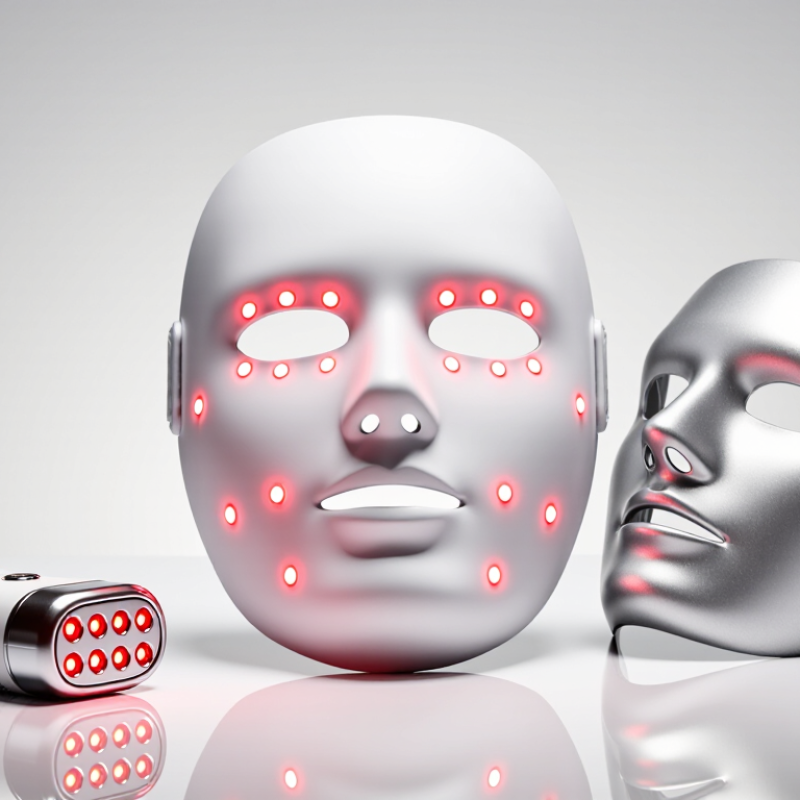
Top Red Light Treatment Face Devices for Global Buyers

Understanding Red Light Therapy for Facial Skin

Red light therapy uses low-intensity red or near-infrared light to support cellular activity in facial skin. Common wavelengths include approximately red light at 630–660 nanometers and near-infrared light around 810–850 nanometers. These ranges may influence collagen production, circulation, and inflammation.

The evidence is encouraging, not tidy.

A controlled clinical study involving 52 adults, published in Photomedicine and Laser Surgery, reported visible improvements in skin texture after repeated LED treatments. A 2023 systematic review also found potential benefits for wrinkles, redness, and wound healing, but noted major differences in wavelength, dose, and treatment schedules.

That matters. A device can look powerful without delivering a clinically useful dose. Results also depend on age, sun exposure, skin sensitivity, and consistency.

Tips:

Choose transparent specifications, including wavelength and irradiance. Use protective eyewear when recommended. Clean the face before treatment, and follow the stated session time. Do not expect overnight changes; many studies assess results after several weeks. People using photosensitizing medicines or managing a skin condition should ask a qualified clinician first. I would also photograph the same area under identical lighting. Memory is unreliable. Be cautious with dramatic before-and-after images, because camera angle and hydration can distort progress.

How Facial Red Light Devices Work

Top Red Light Treatment Face Devices for Global Buyers

How Facial Red Light Devices Work

Facial red light devices use low-level red or near-infrared light. Unlike ultraviolet light, this energy does not intentionally damage the skin’s surface. Specific wavelengths reach skin cells and may stimulate mitochondria, the structures that help produce cellular energy. Researchers often describe this process as photobiomodulation.

The light may support collagen activity, reduce temporary redness, and improve the appearance of fine lines. Results usually develop gradually, not overnight. Some users notice a softer texture after several weeks of regular sessions. Device quality matters. Output strength, wavelength accuracy, treatment distance, and session timing can change the experience.

Clean skin is practical. Remove makeup and follow the device instructions closely. Avoid staring directly into bright LEDs, especially without suitable eye protection. People with light-sensitive conditions or photosensitizing medicines should ask a qualified healthcare professional before use.

Clinical evidence is encouraging, but it is not perfect. Studies often use different devices, schedules, and participant groups. That makes direct comparisons difficult. I would treat dramatic promises carefully. A gentle routine may be more realistic than daily overuse, which can cause dryness or irritation in some people. Photographs taken under the same lighting can help buyers judge changes more honestly.

Key Features to Compare Before Buying

For global buyers comparing red light treatment face devices, check wavelength, irradiance, treatment area, and session guidance. Red light commonly refers to wavelengths around 630–660 nm; near-infrared devices often add wavelengths around 810–850 nm. These ranges are not proof of effectiveness by themselves. Ask for independent test data showing output at the skin, not just the LEDs’ stated power. Fit matters, too: a mask should sit evenly across the cheeks, forehead, and chin, without uncomfortable pressure.

Clinical evidence is promising but not definitive. A 2014 controlled study in Photomedicine and Laser Surgery enrolled 136 volunteers and reported improvements in skin appearance after red and near-infrared light treatments. One study cannot guarantee the same results for every user. Compare the stated dose, session length, and treatment schedule with published research. Look for clear eye-safety instructions, temperature guidance, and a warranty. If claims sound dramatic, pause.

Tips: Check whether the device lists wavelengths and measured irradiance. Choose a design you can clean easily, especially around the nose and chin. Follow the manual’s session limits, and stop if you notice persistent irritation. Ask a qualified clinician before use if you have a photosensitive condition or take medication that increases light sensitivity.

Top Red Light Treatment Face Devices for Global Buyers: Key Features to Compare Before Buying

Compare the wavelengths listed by each manufacturer, along with irradiance, treatment time, coverage, eye-safety guidance, and regulatory status. The values above are representative wavelengths used in red and near-infrared light devices, not a ranking or a performance comparison.

Safety, Usage, and Care Considerations

Top Red Light Treatment Face Devices for Global Buyers

Safety begins with realistic expectations. Red light devices may support skin appearance, but results differ with age, skin type, and treatment habits. Choose a device with clear wavelength information, usage limits, and tested electrical safety documentation. Avoid products with vague specifications. They are difficult to assess. People with light-sensitive conditions, eye disorders, or photosensitizing medication should seek professional advice before use. Protective eyewear may still be necessary, even when the light feels comfortable.

Use the device on clean, dry skin, without heavy makeup or oily products. Follow the stated distance and session time carefully. Longer sessions are not automatically better. Start with fewer treatments each week, then observe dryness, warmth, or unusual redness. Stop if discomfort continues. A common mistake is judging success after three days. Skin changes often need consistent care and patience. I still find treatment routines easy to overcomplicate, especially when users combine several active products.

Tips: Wipe the treatment surface after each session with a soft, slightly damp cloth. Do not immerse the device. Store it away from bathrooms, direct sunlight, and extreme heat. Check cables and housing regularly for cracks. Keep a simple record of session dates and skin reactions. This small habit can reveal patterns that memory misses. For global buyers, confirm voltage compatibility, local service options, and safety instructions in a language you understand.

Choosing a Device for Different Needs and Markets

Choosing a red light face device depends on the user, treatment goal, and market. For fine lines, a flexible mask can provide even facial coverage. For occasional acne support, adjustable intensity and shorter sessions may matter more. Skin sensitivity should guide exposure time. More power is not automatically better.

Market data shows strong interest, but the numbers need careful reading. Grand View Research estimated the global light therapy market would grow at about 6% annually from 2024 to 2030. Fortune Business Insights reported a different growth rate for the broader red light therapy market. Definitions vary. That is worth remembering when comparing suppliers or investment forecasts. Buyers should request measured irradiance, wavelength accuracy, session duration, and safety test records. Laboratory claims are not the same as clinical outcomes.

Markets also change the buying decision. A device sold in Europe may require different documentation than one sold elsewhere, including electrical safety and medical-device compliance where applicable. Check plug type, charging standards, warranty coverage, and local service access. In humid regions, sealed controls and easy-to-clean surfaces are practical details. In colder markets, battery performance deserves testing. I have found that comfort often determines repeat use more than technical specifications. A device can be impressive on paper and still remain unused in a drawer. Look for independent testing, transparent instructions, and realistic evidence from dermatology research rather than dramatic promises.

Top Red Light Treatment Face Devices for Global Buyers — Choosing a Device for Different Needs and Markets

Device Type Typical Light Configuration Best Suited To Practical Strengths Buyer Checks Market and Use Considerations
Flexible facial mask Often red light in the approximate 630–660 nm range; some models also include near-infrared light around 810–850 nm. Home users seeking a hands-free facial routine with broad facial coverage. Convenient to store and use; flexible construction can fit a range of face shapes. Check fit, coverage, cleaning instructions, timer settings, eye-area guidance, and whether irradiance and treatment time are clearly specified. Confirm that electrical components and supplied adapters meet the requirements of the destination market. Do not assume that a cosmetic device is authorized to treat a medical condition.
Rigid or shell-style facial mask Commonly uses red LEDs, with some designs adding near-infrared LEDs; exact wavelengths and output vary by model. Users who prefer a structured mask and repeatable positioning. Maintains a defined shape and may offer consistent positioning from session to session. Review weight, ventilation, contact points, fastening method, light distribution, and the manufacturer’s eye-safety instructions. Packaging and user instructions should be suitable for the language and labeling rules of each sales market.
Handheld red-light device Usually a small red-light treatment area; wavelength and output depend on the device. Targeted use on smaller facial areas rather than full-face coverage. Portable and easy to store; allows the user to focus on a limited area. Check the treatment-area size, required distance, recommended session duration, battery or mains operation, and whether the device must be moved during use. Travel suitability depends on the power supply, plug compatibility, and voltage range. Follow the supplied instructions rather than substituting an unapproved adapter.
Desktop panel with facial positioning May combine red and near-infrared LEDs; panels can cover a larger area than handheld devices, but output varies substantially. Users who want a stationary setup for face or face-and-neck use. Stable placement and larger treatment area; some designs can be adjusted for distance or angle. Look for measured irradiance at a stated distance, session guidance, panel dimensions, cooling and noise information, and eye-protection instructions. Consider shipping size, plug and voltage specifications, warranty support, and import requirements for powered equipment.
Multi-mode LED facial device May combine red light with other visible-light colors or near-infrared light. The modes and wavelengths are product-specific. Buyers who value multiple light settings in one device. Offers selectable modes, but additional modes do not by themselves establish greater effectiveness. Check the wavelength and intended use of each mode, how modes are selected, and whether instructions distinguish cosmetic use from medical claims. Review local rules for advertised claims. Regulatory classification can depend on the intended purpose and claims, not just the light source.
Professional-use facial LED system Configurations vary; some systems provide red and near-infrared light with documented operating parameters. Clinics or trained practitioners evaluating equipment for supervised settings. May provide a larger treatment area and more detailed controls or documentation than consumer devices. Request technical specifications, maintenance requirements, operator training materials, risk information, and evidence supporting the stated intended use. Check the applicable medical-device or product regulations in every destination market before purchase, import, or clinical use.

Selection note: Red and near-infrared wavelength ranges listed here are commonly encountered in light-based devices, not a guarantee of performance. Results depend on the device, dose, usage, and individual factors. Compare independently documented specifications and follow the device instructions, especially for eye safety. People with photosensitivity, relevant medical conditions, or photosensitizing medicines should seek advice from a qualified healthcare professional before use.

Go to Top