
Blog

Top 10 Types of Silicone Sealant Glue for Global Buyers

Silicone Sealant Glue has become a practical choice for construction, glazing, automotive assembly, electronics, and household repairs. Global buyers now face many formulations, not one universal product. Grand View Research reports that the global silicone sealants market exceeded US$5 billion in 2023. Its analysis also identifies construction and transportation as important demand sectors. MarketsandMarkets similarly forecasts steady growth, supported by infrastructure investment and durable bonding requirements.

This guide introduces ten important types, including acetoxy-cure, neutral-cure, oxime, alkoxy, high-temperature, sanitary, structural glazing, fire-rated, mold-resistant, and paintable silicone sealants. Each type behaves differently under moisture, heat, movement, and chemical exposure. A sharp vinegar smell may indicate acetoxy chemistry. It may corrode sensitive metals. Neutral-cure products usually suit concrete, coated metal, glass, and many plastics more safely. Always check the technical data sheet.

Performance should be verified against recognized standards. ASTM C920, ISO 11600, and EN 15651 can help buyers compare elasticity, adhesion, and intended applications. However, certification alone does not guarantee field success. Surface preparation, joint design, curing time, and storage conditions still matter. Details matter. A strong product can fail on dusty glass or damp masonry. This ranking is useful, but not perfect; regional standards, climate, and supplier quality can change the best choice. Buyers should request batch information, test reports, warranty terms, and application guidance before placing large international orders. A low unit price may hide higher labor costs, rework, or premature replacement.
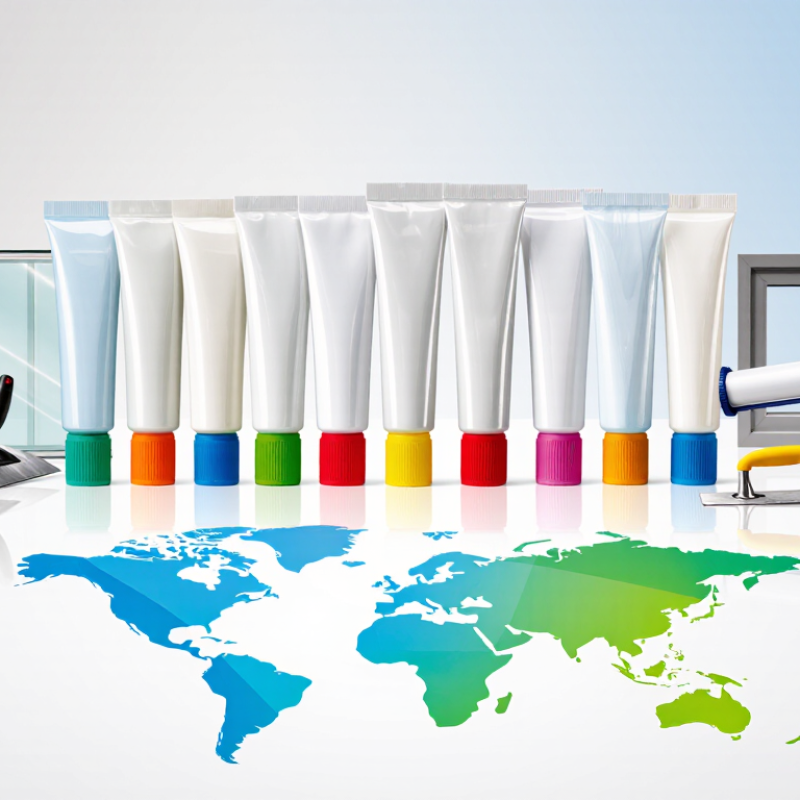
Top 10 Types of Silicone Sealant Glue for Global Buyers

Silicone Sealant Glue: Definition, Composition, and Core Properties

Top 10 Types of Silicone Sealant Glue for Global Buyers

Silicone Sealant Glue: Definition, Composition, and Core Properties

Silicone sealant glue is a flexible polymer material used to close joints, gaps, and surface interfaces. Its main ingredient is a polysiloxane polymer. Fillers, pigments, crosslinking agents, adhesion promoters, and curing additives complete the formulation. During curing, the material changes from a paste into elastic rubber. Acetoxy systems release acetic acid. Neutral-cure systems usually release alcohol or ketoxime compounds. The choice affects odor, corrosion risk, and substrate compatibility.

Core properties include weather resistance, UV stability, waterproofing, and continuous flexibility. Many construction grades tolerate movement better than rigid adhesives. However, “waterproof” does not mean permanent adhesion on every surface. ASTM C920 evaluates properties such as movement capability, adhesion, and durability. ISO 11600 also classifies sealants by performance and application. According to Grand View Research’s 2024 silicone sealants market report, the global market was valued at over USD 4 billion in 2023, with steady growth expected through 2030. The figure is useful, but market estimates vary by product definition.

Tips: Check the technical data sheet before purchasing. Test adhesion on a hidden area, especially with glass, stone, coated metal, or plastic. Consider cure speed, service temperature, joint movement, and surface moisture. A low-odor formula may still need ventilation. No formulation is perfect. I have seen failures caused by poor cleaning, not weak silicone.

The Top 10 Silicone Sealant Types and Their Distinctive Features

Silicone sealants differ by curing chemistry, movement capacity, and service environment. Acetoxy-cure silicone releases acetic acid, cures quickly, and bonds well to glass. Neutral oxime-cure silicone produces less odor and suits metals, concrete, and sensitive substrates. Neutral alkoxy-cure silicone cures gently around plastics, coated surfaces, and porous materials. One-part RTV silicone is ready to use and cures through air moisture. It is practical for small repairs.

Two-part RTV silicone mixes before application, then cures more evenly in deep joints. High-temperature silicone tolerates heated equipment, ovens, and engine compartments. Sanitary silicone contains mildew-resistant additives for bathrooms and kitchens. Structural glazing silicone delivers strong adhesion and movement resistance for engineered glass assemblies. Fire-rated silicone is designed for tested penetrations and joint systems, not casual gap filling. Self-leveling silicone flows into horizontal joints and leaves fewer tool marks.

In real projects, categories can overlap. A sanitary product may also use neutral curing. A high-temperature grade may need primer on certain metals. I have seen sealants fail because installers ignored surface moisture and joint width. Test adhesion on a hidden area first. Dust remains a quiet problem. The best choice depends on substrate, joint movement, temperature, moisture, and required cure speed. Labels can sound similar, so technical data deserves closer reading than color or price.

Top 10 Types of Silicone Sealant Glue for Global Buyers - The Top 10 Silicone Sealant Types and Their Distinctive Features

No. Silicone Sealant Type Typical Cure Chemistry Key Features Recommended Applications Suitable Substrates Main Limitations Typical Service Temperature*
1 Acetoxy-Cure Silicone Sealant Acetic acid released during curing Fast skin formation, strong adhesion to glass and glazed ceramics, good resistance to moisture and weathering General glazing, household repairs, ceramic joints, non-sensitive bathroom sealing Glass, ceramic, anodized aluminum, some painted metals Acidic cure may corrode bare metals and may stain or reduce adhesion on alkaline, porous, or sensitive surfaces Approximately −50°C to 180°C
2 Neutral Oxime-Cure Silicone Sealant Oxime released during curing Low-corrosive curing system, broad adhesion, good UV and weather resistance, low shrinkage Exterior joints, window and door perimeter sealing, metal and facade applications Glass, aluminum, concrete, masonry, painted metal, many plastics after testing Odor can be noticeable during cure; adhesion to some plastics and porous substrates requires primer or testing Approximately −50°C to 150°C
3 Neutral Alkoxy-Cure Silicone Sealant Alcohol released during curing Low odor, low corrosion potential, good compatibility with sensitive metals and many building materials Architectural joints, facade sealing, HVAC components, indoor and outdoor construction work Glass, aluminum, concrete, coated metals, wood, many mineral substrates Cure speed depends strongly on humidity and joint size; some low-energy plastics need adhesion testing Approximately −50°C to 150°C
4 Sanitary and Mold-Resistant Silicone Sealant Usually acetoxy or neutral cure with a fungicide Resists fungal and mold growth on the cured surface when used as directed; remains flexible in wet areas Bathrooms, kitchens, showers, washrooms, sinks, and other continuously humid areas Ceramic tile, glass, enamel, porcelain, glazed surfaces, some metals Not a substitute for waterproofing; biocide performance can decrease with contamination, abrasion, or permanent immersion Approximately −40°C to 150°C
5 Structural Glazing Silicone Sealant Generally neutral cure, one- or two-component formulations High movement capability, durable adhesion, and engineered load transfer for approved glazing systems Curtain walls, structural glass facades, glass-to-metal bonding, approved window systems Glass, anodized or coated aluminum, approved construction substrates Requires project-specific design, substrate testing, quality control, and compliance with applicable structural glazing standards Approximately −50°C to 150°C
6 High-Temperature Silicone Sealant High-temperature-resistant acetoxy or neutral cure Retains flexibility and sealing performance at elevated temperatures; available in non-sag grades Ovens, heating equipment, exhaust components, gaskets, industrial machinery, and hot-air ducts Glass, ceramics, metals, and selected high-temperature plastics Temperature rating varies by formulation; not all grades are suitable for direct flame, fuel contact, or pressure sealing Approximately −50°C to 250°C
7 Firestop Silicone Sealant Specially formulated neutral-cure silicone system Designed to maintain a fire-resistant seal around specified penetrations and joints when installed as a tested system Fire-rated wall and floor joints, cable penetrations, pipe penetrations, and building service openings Concrete, masonry, gypsum systems, metals, cables, pipes, and other substrates listed in the certification Fire rating is system-specific; performance depends on joint size, backing material, penetration type, and installation method Rating determined by tested system
8 Aquarium and Fish-Safe Silicone Sealant Typically 100% silicone, often acetoxy cure Forms a waterproof, elastic bond suitable for aquarium construction after complete curing Aquarium assembly and repair, terrariums, glass water tanks, and decorative water features Glass and selected non-porous materials Must be fully cured and free of fungicides, solvents, and additives that are unsafe for aquatic life; not intended for structural tank design without engineering Approximately −50°C to 150°C
9 Paintable Silicone-Hybrid Sealant Silicone-modified polymer or hybrid moisture cure Combines weather resistance and elasticity with improved paint compatibility compared with conventional silicone Interior and exterior construction joints, trim, siding, window frames, and renovation work Wood, masonry, concrete, painted metal, PVC, aluminum, and many common building materials It is not chemically pure silicone; paint adhesion and compatibility must be verified with the selected coating Approximately −40°C to 90°C
10 Two-Component Silicone Sealant Part A and Part B react after mixing Rapid, more uniform cure independent of ambient humidity; suitable for automated or high-volume production Insulating glass units, industrial assembly, facade production, and controlled factory applications Glass, aluminum, coated metals, and substrates approved by the product manufacturer Requires accurate metering and mixing equipment, controlled processing, and a defined working time Approximately −50°C to 150°C

*Temperature ranges are typical indicative values for cured materials. Actual limits depend on formulation, joint design, substrate, exposure conditions, and the applicable technical data sheet. Always verify adhesion, compatibility, movement capability, and regulatory requirements before use.

How to Match Each Silicone Sealant Type to Its Best Application

Top 10 Types of Silicone Sealant Glue for Global Buyers

How to Match Each Silicone Sealant Type to Its Best Application

Choosing silicone sealant starts with the surface, movement, and curing environment. Acetoxy silicone suits glass, ceramic, and non-sensitive metal, but its vinegar odor signals acid release. Neutral-cure silicone works better around concrete, aluminum, mirrors, and painted surfaces. Oxime-cure and alkoxy-cure formulas are useful when low corrosion risk matters. Check the technical sheet carefully.

For bathrooms, sanitary silicone contains mildew-resistant additives and fits shower joints, sinks, and ceramic edges. Construction silicone handles window frames, wall panels, and expansion gaps with moderate movement. Glazing silicone supports glass installation, where adhesion and weather resistance must remain stable. High-temperature silicone belongs near ovens, engines, and heated ductwork, within its rated temperature range. Do not guess here.

Electrical-grade silicone helps insulate cable entries and sensitive components, while marine silicone suits boat fittings and damp exterior joints. However, marine use demands strong surface preparation and suitable movement tolerance. Adhesive silicone provides higher grab for panels, trims, and lightweight fixtures. I have seen a “strong” seal fail because dust remained under the bead.

Apply a small test patch first. Some plastics release oils, and some coatings weaken adhesion. Measure joint width before selecting the cartridge. A narrow joint may tear during movement. A thick bead may cure slowly inside. These details are easy to overlook. Storage temperature, curing humidity, and tool cleanliness also affect the final bond. The perfect type on paper can still fail on a poorly prepared surface.

Global Buyer Criteria: Performance, Standards, Packaging, and Compatibility

Top 10 Types of Silicone Sealant Glue for Global Buyers

Global buyers should judge silicone sealant by performance, standards, packaging, and compatibility, not color alone. A 2024 Grand View Research report estimated the global silicone sealants market at several billion U.S. dollars, with construction remaining a major demand sector. That scale increases supplier choice, but also increases quality variation. Check whether each product meets ISO 11600, ASTM C920, or EN 15651 requirements. These standards help verify movement capability, adhesion, and intended building applications.

Performance must match the substrate and environment. Acetic-cure silicone suits many glass applications, while neutral-cure grades reduce corrosion risks around metal, concrete, and sensitive surfaces. Structural glazing requires documented adhesion tests, not general-purpose claims. Sanitary grades need mold-resistance evidence, while high-temperature types require tested temperature limits. Fire-rated products need project-specific certification. Labels can mislead.

Packaging affects real-world reliability. A 300 ml cartridge may suit manual application, while 400 ml foil packs can reduce material waste in compatible guns. Buyers should confirm nozzle design, batch coding, shelf life, carton strength, and moisture barriers. ASTM C1248 testing is useful when staining natural stone matters. Always request technical data sheets, safety documents, and samples before mass purchase. Compatibility testing remains essential; one failed surface can erase a low unit price. The overlooked detail is cure speed. Cold, humid, or poorly ventilated sites can change results. Even professional specifications need field validation.

Top 10 Types of Silicone Sealant Glue for Global Buyers

Global buyer criteria: performance, standards, packaging, and compatibility

How to read this chart: The values show representative published movement-capability levels commonly associated with each silicone sealant type. Actual performance depends on formulation, joint design, substrate, curing conditions, and technical data sheets. Buyers should also verify relevant requirements such as ASTM C920, ISO 11600, EN 15651, packaging format, and compatibility with glass, metal, concrete, plastics, painted surfaces, and porous materials.

Safe Purchasing, Quality Inspection, and Storage of Silicone Sealants

Global buyers often compare ten silicone sealant types, including acetoxy, neutral-cure, sanitary, structural, fire-rated, high-temperature, weatherproof, glazing, marine, and hybrid formulations. Safe purchasing starts with the substrate and exposure conditions. ISO 11600 classifies sealants by movement capability and performance. ASTM C920 also evaluates adhesion, durability, and movement resistance. Ask suppliers for current technical data sheets, safety data sheets, batch numbers, and curing instructions. Do not trust a glossy label alone.

Quality inspection should combine documents with physical checks. Inspect unopened cartridges for swelling, leakage, damaged nozzles, and expired shelf life. A small test bead can reveal poor skin formation, bubbles, uneven curing, or weak adhesion. Record curing time at the intended temperature and humidity. The U.S. Environmental Protection Agency reports that indoor pollutant levels can be two to five times higher than outdoors. Low-emission formulations therefore deserve careful attention in enclosed projects. “Low odor” is not automatically low emission.

Storage is often underestimated. Keep cartridges sealed, dry, and away from direct sunlight. Follow the supplier’s temperature range, commonly around 5–25°C. Rotate stock by expiry date. Grand View Research estimated the global silicone sealants market at about USD 4.6 billion in 2023, showing why supply-chain consistency matters. Yet laboratory results may not reflect dusty sites or rushed installation. I have seen good sealant fail after poor surface cleaning. That remains an uncomfortable purchasing lesson.

Go to Top