Top Stainless Hydraulic Tubing Suppliers in China for Global Buyers?
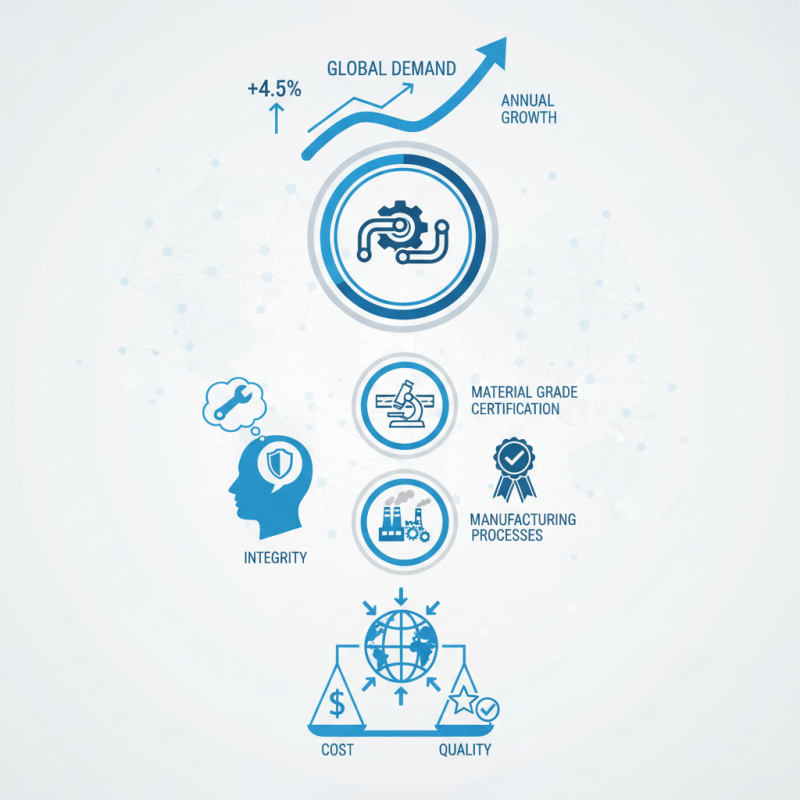
The global demand for Stainless Hydraulic Tubing continues to rise, driven by advancements in various industries. Experts report that the market for hydraulic tubing is projected to grow by 4.5% annually. This increase highlights the essential role of suppliers who maintain high standards in product quality and innovation.
Huang Wei, a noted expert in hydraulic systems, emphasizes, "The integrity of stainless hydraulic tubing is crucial for operational efficiency." His insights underline the importance of sourcing from reliable suppliers. Buyers must consider factors such as material grade, certification, and manufacturing processes.
Choosing the right supplier is critical. Chinese manufacturers are becoming major players internationally. However, not all suppliers offer the same quality. This landscape leads to both significant opportunities and challenges for global buyers. Scrutinizing supplier credibility remains essential in ensuring safety and performance standards. Balancing cost and quality will always require careful consideration.
Overview of the Stainless Hydraulic Tubing Market in China
The stainless hydraulic tubing market in China has shown remarkable growth. With an estimated value of over USD 2 billion in 2022, it's projected to continue expanding at a CAGR of 6% through 2028. This growth is driven by increasing demand in sectors such as construction, automotive, and machinery. Research suggests that China's production capability is robust, aligning with international standards.
The primary advantage of stainless steel hydraulic tubing lies in its corrosion resistance and durability. These properties make it ideal for high-pressure applications. However, some manufacturers still face challenges regarding quality control. Quality assurance is crucial to ensure performance and safety. Inconsistent material quality could lead to failures in critical applications.
Tip: When sourcing stainless hydraulic tubing, consider suppliers with certifications such as ISO 9001. It indicates a commitment to quality management. Additionally, request samples to assess the tubing's performance firsthand.
It's worth noting that market dynamics can shift. Regulatory changes or fluctuations in raw material prices may impact supply. Buyers must stay informed about these factors to make better purchasing decisions. Ensuring a reliable supply chain can mitigate some of these uncertainties.
Key Factors Driving the Demand for Stainless Hydraulic Tubing
The demand for stainless hydraulic tubing is rising due to several key factors. The global hydraulic tubing market is expected to reach $3 billion by 2025, driven by increasing industrial automation and the growth of construction activities. This growth reflects a shift towards efficient systems in various sectors, including manufacturing and transportation. The push for adopting lightweight and corrosion-resistant materials in hydraulic systems also plays a significant role.
Moreover, the rise in renewable energy projects contributes significantly to the demand for stainless hydraulic tubing. For instance, wind and solar energy installations increasingly utilize hydraulic systems, requiring high-quality tubing. A report from a leading market analysis firm noted that the renewable energy sector will expand by 12% year-on-year, reinforcing the need for durable and reliable materials. However, the fluctuating prices of raw materials can pose challenges for suppliers and users alike.
Additionally, sustainability concerns are shaping purchasing decisions. Buyers are more inclined towards suppliers who prioritize eco-friendly production methods. The integration of recyclable materials in production processes can influence market competitiveness. Yet, many suppliers face hurdles in achieving these sustainability goals while maintaining cost-effectiveness. The path toward more sustainable practices in this sector is ongoing, requiring continuous reflection and adaptation.
Top Suppliers of Stainless Hydraulic Tubing in China
The stainless hydraulic tubing market in China is witnessing significant growth. According to a recent industry report, the demand for stainless hydraulic tubing is projected to reach $3 billion by 2025. This growth is driven by increasing industrial applications, especially in construction and automotive sectors. China’s production capacity is crucial to meet global needs.
Many top suppliers in China focus on high-quality manufacturing processes. The industry emphasizes ASTM standards for corrosion resistance and durability. Reports indicate that stainless hydraulic tubes are 30% more durable than conventional steel tubes. This attribute is vital for industries that require reliable performance under pressure.
However, some suppliers face challenges in maintaining quality control. Inconsistent sourcing of raw materials can lead to defects. Buyers must conduct thorough assessments before selecting suppliers. Factors like certifications and production capabilities should be considered. Investing time in supplier evaluation could save costly mistakes later on.
Top Stainless Hydraulic Tubing Suppliers in China for Global Buyers
| Supplier Location | Annual Revenue (USD) | Employee Count | Export Markets | Certifications |
| Wuxi, Jiangsu | 5,000,000 | 150 | North America, Europe | ISO 9001, CE |
| Shenzhen, Guangdong | 3,200,000 | 80 | Asia, Australia | ISO 14001, SGS |
| Hangzhou, Zhejiang | 4,500,000 | 120 | Europe, Middle East | API, ISO 9001 |
| Tianjin | 2,800,000 | 60 | Africa, South America | ISO 9001, DNV |
| Ningbo, Zhejiang | 6,000,000 | 200 | North America, Europe, Asia | ISO 9001, TS 16949 |
Evaluating Quality Standards for Stainless Hydraulic Tubing Products
Stainless hydraulic tubing is essential in various industries, including automotive, aerospace, and oil and gas. The quality of these products significantly impacts system efficiency and safety. Evaluating the quality standards of suppliers is crucial for global buyers.
Industry reports indicate that over 30% of hydraulic failures stem from improper tubing quality. Therefore, reliable suppliers must adhere to strict guidelines set by international standards organizations. For instance, ISO 9001 certification is a benchmark for quality management systems. Additionally, reports show that materials should comply with ASTM A269 standards for seamless stainless steel tubing. This guarantees corrosion resistance, crucial in harsh environments.
However, not all suppliers meet these benchmarks. Some may cut corners to reduce costs, leading to subpar products. Buyers should conduct thorough inspections and request certifications before making purchases. Gathering feedback from previous clients can reveal underlying issues.
Striking a balance between cost and quality is vital. Long-term relationships with trustworthy suppliers yield better outcomes. The market demands transparency and accountability from all involved. Understanding these dynamics can help stakeholders make informed decisions.
Strategies for Global Buyers to Source Tubing from Chinese Suppliers
When sourcing stainless hydraulic tubing from Chinese suppliers, global buyers should approach the process strategically. Understanding the market landscape is crucial. Research potential suppliers thoroughly. Check their experience and capabilities. This ensures they meet your specific requirements. Also, consider their reputation in the industry.
Tips: Always ask for references. Connect with past clients to gauge satisfaction. Many suppliers may offer competitive rates, but assess their quality consistently. This step is vital for avoiding future issues.
Effective communication is essential. Use clear language and specifications in your inquiries. Language barriers can lead to misunderstandings. It is wise to have a detailed contract in place. Define quality standards and delivery timelines. Identify potential risks in the supply chain, as they can impact your project.
Tips: Regular follow-ups are beneficial. Schedule updates to maintain transparency. Sometimes, delays happen, and understanding the supplier's situation builds trust. Lastly, stay adaptable. The market may evolve, affecting lead times and costs. Regularly review your sourcing strategy to align with changing dynamics.