Top 5 Temperature Sensors to Consider for Your Projects?
When it comes to building reliable projects, the choice of a Temperature Sensor is critical. Understanding different types of sensors can enhance your design and ensure accuracy. Temperature sensors come in various forms, each suited for specific applications.
Selecting the right Temperature Sensor requires a careful evaluation of your needs. Factors such as range, accuracy, and response time must be considered. For instance, thermocouples are robust and ideal for high temperatures. However, they may not be as precise as RTDs at lower ranges. Each option presents unique advantages and potential drawbacks.
This guide explores the top five Temperature Sensors, helping you navigate this vital decision. Armed with the right knowledge, you can create projects with reliable temperature readings. Each sensor's specifications and performance will shape your choices. Let's dive into these top options and see how they can elevate your projects.
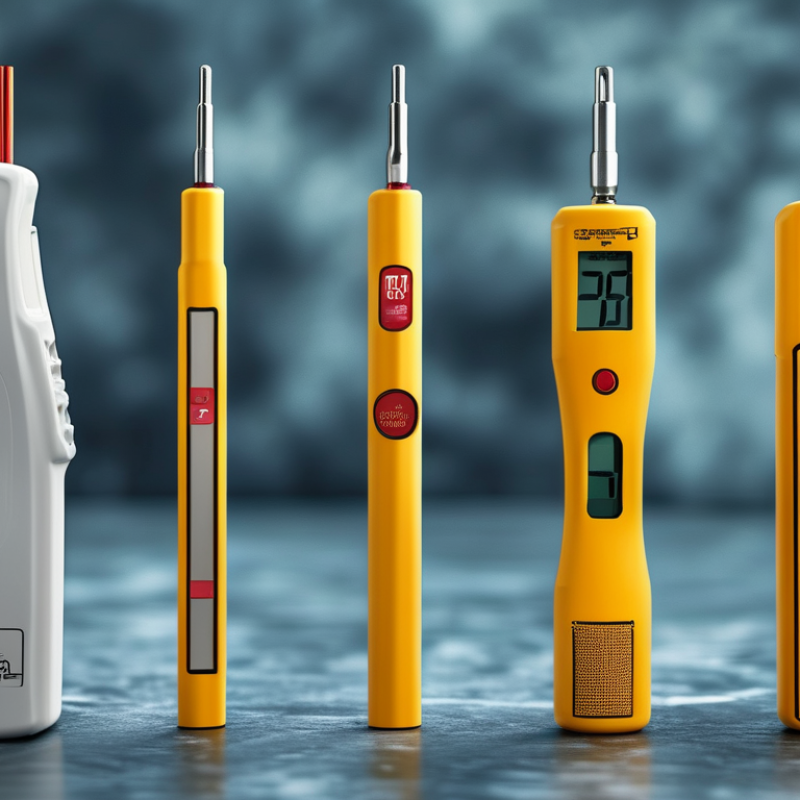
Introduction to Temperature Sensors: Importance and Applications
Temperature sensors play a crucial role in numerous applications across various industries. They provide vital information for monitoring environmental conditions, ensuring safety, and enabling efficient processes. According to a report by Market Research Future, the global temperature sensor market is projected to reach $5.2 billion by 2027, highlighting the growing demand for precise and reliable temperature measurement.
In industrial settings, temperature sensors help maintain optimal conditions for machinery, improving efficiency and reducing costs. Data from the U.S. Department of Energy indicates that efficient temperature control can lead to energy savings of up to 30% in HVAC systems. This statistic underscores the significance of accurate temperature monitoring in achieving sustainability goals.
Moreover, in the field of healthcare, temperature sensors are instrumental in patient monitoring and diagnostic applications. Consistent temperature readings can lead to timely interventions. The World Health Organization emphasizes the importance of these measurements in tracking infectious diseases. However, challenges exist, such as sensor calibration errors that can compromise data accuracy. Regular calibration and maintenance remain critical to ensuring reliable performance in all applications.
Top 5 Temperature Sensors to Consider for Your Projects
This chart illustrates the accuracy of various temperature sensors commonly used in projects, including Thermocouples, RTDs, Thermistors, Infrared sensors, and Semiconductor sensors.
Key Features to Evaluate When Choosing a Temperature Sensor
When selecting a temperature sensor for your project, key features play a crucial role. Accuracy is essential. It determines how close the sensor reading is to the actual temperature. Low accuracy can lead to significant errors in your data. A good sensor should provide consistent readings within a small margin of error.
Response time is another vital factor. Sensors that respond quickly are critical for applications requiring real-time data. A slow sensor may miss important changes in conditions. You should assess the environment where the sensor will be used. Harsh conditions can affect performance and longevity. Choose a sensor that meets the demands of your specific application.
Consider the sensor type as well. Thermocouples, thermistors, and infrared sensors each have unique benefits. Each type has its own appropriate temperature range and application. Evaluating these features helps ensure that you choose the right sensor. Reflect on your project requirements carefully. It will guide you to a better fit for your needs.
Top 5 Temperature Sensors Recommended for Various Projects
When selecting temperature sensors, various projects demand specific features. Here are five types to consider for your project needs.
Thermocouples offer wide temperature ranges and quick response times. Their simplicity makes them ideal for industrial applications. However, they can be less accurate than other options. Be mindful of calibration needs.
RTDs provide excellent accuracy and stability. They work well in laboratory settings or with precise temperature tracking. Their sensitivity is a strong point, but they tend to be more expensive.
Thermistors are compact and suitable for consumer electronics. Their rapid response time is an advantage. Nonetheless, they can have limited temperature ranges. Think about your application’s requirements before choosing.
Infrared sensors allow for non-contact temperature measurements. This feature is useful in applications where sensor placement is challenging. They can be pricier and may require careful calibration to ensure reliability.
Tip: Always evaluate the environment where the sensor will be deployed. Factors like humidity and dust can affect accuracy.
Incorporate user feedback into your sensor selection process. Past experiences can offer insights into which sensor performs best. Remember, what works for one project may not suit another.
Top 5 Temperature Sensors Recommended for Various Projects
| Sensor Type | Temperature Range | Accuracy | Output Type | Best Use Case |
| Thermocouple | -200 to 1260 °C | ±1.5 °C | Analog | Industrial applications |
| Thermistor | -55 to 125 °C | ±0.5 °C | Analog/Digital | Consumer electronics |
| RTD | -200 to 850 °C | ±0.1 °C | Analog | Laboratory experiments |
| Infrared Sensor | -70 to 380 °C | ±2 °C | Digital | Contactless measurements |
| Semiconductor Sensor | -55 to 150 °C | ±0.5 °C | Digital | Home automation |
Comparative Analysis of Sensor Types: Thermocouples vs. RTDs
When selecting temperature sensors for diverse projects, understanding the differences between thermocouples and RTDs is crucial. Thermocouples, made from two different metals joined at one end, show rapid response times. They can measure temperatures ranging from -200°C to 2000°C. According to a recent report from the International Journal of Temperature Measurement, thermocouples are often chosen for high-temperature environments due to their robustness.
On the other hand, Resistance Temperature Detectors (RTDs) use the change in electrical resistance to measure temperature. They provide higher accuracy and stability, typically operating between -200°C and 850°C. The U.S. Department of Energy indicates that RTDs are favored in applications where precise measurements are necessary. However, they can be more expensive and slower to respond than thermocouples.
There are challenges to consider with both types. For instance, thermocouples may introduce measurement errors due to electrical noise in industrial environments. In contrast, RTDs require careful installation to avoid mechanical stress, which can affect readings. Both sensor types have unique benefits and downsides, making it essential to evaluate the specific needs of each project before selection.
Future Trends in Temperature Sensing Technology and Innovation
Temperature sensing technology is evolving rapidly, with innovations that enhance accuracy and reliability. Recent reports indicate that the global temperature sensor market is projected to reach $6.0 billion by 2025, driven by advancements in IoT and smart devices. This growth reflects a shift towards more sophisticated sensing solutions across various industries, including healthcare and manufacturing.
New materials and design methodologies are making sensors more versatile. For instance, non-contact thermometers have seen increased demand due to the rise in health monitoring systems. Ultra-thin and flexible sensors are paving the way for wearables, allowing users to track their body temperature more effectively. A study found that wearables can enhance user compliance significantly, leading to improved health outcomes.
Tips: When selecting a temperature sensor, consider its intended application. Different environments may require specific sensor types, such as those designed for high humidity or extreme temperatures. Also, pay attention to calibration frequency; regular checks maintain accuracy. The transition to digital sensors will likely improve signal processing and enable real-time data analytics. An emerging trend is the integration of AI for predictive maintenance, which could revolutionize industrial applications. However, familiarize yourself with these technologies before implementation.