Top 10 Tips for Choosing the Best Coiling and Packing Machine?
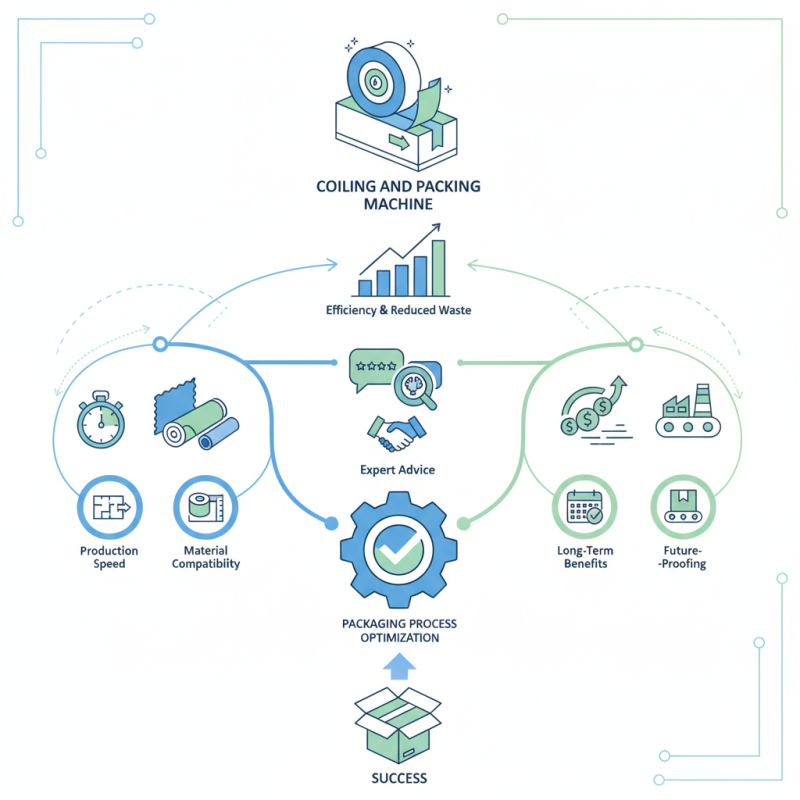
In the competitive landscape of packaging, choosing the right Coiling and Packing Machine is crucial. Industry expert Dr. Emily Chen states, "A well-selected machine can enhance efficiency and reduce waste." This highlights the importance of making an informed choice.
When selecting a Coiling and Packing Machine, consider factors like production speed, material compatibility, and space requirements. There are many options available. Each has its strengths and weaknesses. This complexity can be daunting.
Additionally, examining user reviews and seeking expert advice can shed light on the best fit for your needs. Remember, an investment in the right machine pays off. Don't overlook the long-term benefits of proper selection. Your choice will shape your packaging processes for years.
Understanding the Different Types of Coiling and Packing Machines
When selecting a coiling and packing machine, understanding the various types is essential. There are horizontal, vertical, and automatic machines. Horizontal machines work with longer products. They are often used for cables and wires. Vertical machines are ideal for bags or pouches. They have a smaller footprint but require careful layout planning.
Automatic machines offer speed and efficiency. They can adjust to different product sizes. However, they may come with a steep learning curve. Choosing the right machine depends on your production needs. Consider the materials and the products you are working with. Some machines might struggle with certain shapes.
Take time to evaluate each type. Think about your budget and space. It's important to remember that cost-effectiveness isn't always the same as the cheapest option. Maintenance and support matter too. Sometimes, a more expensive machine might save money in the long run. Reflection on these points can lead to a better decision.
Evaluating Machine Capacity and Efficiency for Optimal Production Output
When selecting a coiling and packing machine, machine capacity and efficiency play a crucial role in maximizing production output. It's essential to evaluate how much product the machine can handle at once. Consider the size of your products and the speed at which they need to be processed. Machines that can keep pace with your production demands will minimize delays and increase overall efficiency.
One tip is to assess the foot print of the machine. A compact design can save valuable production space but might impact capacity. Ensure that the machine you choose aligns with your spatial restrictions while still offering sufficient output. Another important factor is the ease of operation. Machines that are user-friendly tend to have fewer operational errors, which can greatly affect production rates.
Additionally, think about the maintenance requirements. Machines requiring constant attention can hinder efficiency. You want a machine that maintains its performance without frequent interruptions. Look for models with minimal wear parts and good accessibility for repairs. The balance between capacity, ease of use, and maintenance needs will inform your decision-making process and lead to optimal production results.
Key Features to Consider: Automation, Speed, and Precision Levels
When selecting a coiling and packing machine, automation is a critical feature to evaluate. Automated systems streamline packaging, reducing manual labor. This efficiency can enhance production rates. However, the price of automation can be steep. Businesses must weigh the initial investment against long-term gains. The right balance can make a significant difference in operational costs.
Speed is another essential element. Different machines offer varying speeds. A faster machine can significantly boost output. Yet, higher speed may lead to errors. It’s vital to ensure that quality doesn’t suffer. Buyers should consider how speed aligns with their production needs. Finding the sweet spot is key.
Precision levels are equally important. A machine that packs consistently and accurately is crucial. Tiny variances can lead to waste or customer dissatisfaction. However, systems with high precision may be more complex. They can require more training for staff. It’s important to assess the operational capabilities of your team. Getting the best machine involves more questions than answers. Choose wisely.
Cost Analysis: Balancing Initial Investment with Long-term ROI
Investing in a coiling and packing machine is a significant decision. Cost analysis plays a crucial role in this process. Many businesses focus solely on the initial investment. However, long-term return on investment (ROI) is equally important. A machine that may seem affordable upfront could have hidden costs. Maintenance and energy consumption are factors that can escalate expenses over time.
Before making a purchase, consider the total cost of ownership. This includes parts, repairs, and workforce training. Often, businesses overlook these elements. A higher initial spending may lead to better durability and efficiency. The right machine can reduce waste and minimize downtime, ultimately saving money. It’s essential to weigh these factors carefully.
Keep in mind, not all budget-friendly options perform well. Some require frequent repairs that outweigh initial savings. Reflecting on past experiences with machines can provide insight. Understanding the long-term implications of your choice can guide better decision-making. An informed approach will maximize your investment and drive future success.
Importance of Supplier Support and Maintenance Services in Machine Selection
When selecting a coiling and packing machine, it's crucial to consider supplier support and maintenance services. These factors can significantly impact machine performance and longevity. A machine is only as good as the support behind it. Ensure that potential suppliers offer robust maintenance plans. Regular servicing can prevent costly downtimes and extend the life of your equipment.
Having access to knowledgeable support staff can make a difference. An effective support team can troubleshoot issues quickly. This responsiveness can save valuable production time. Often, suppliers may promise exceptional support, but their track record tells a different story. Take the time to investigate their customer service history. Seek out reviews and testimonials for a well-rounded understanding.
Additionally, be aware of maintenance accessibility. Parts for repairs should be readily available. Waiting for essential components can halt your production process. Choose suppliers who provide their clients with direct access to critical resources. Reflect on your specific needs and how supplier support aligns with them. This consideration will ensure you make an informed decision.
Top 10 Tips for Choosing the Best Coiling and Packing Machine