Top 5 Tips for Choosing 3D Architectural Render Services?
Choosing the right 3d architectural render service can greatly impact a project’s success. According to a recent report by MarketsandMarkets, the global 3D architectural rendering market is projected to reach $4.8 billion by 2025, growing at a CAGR of 25%. This rapid growth demonstrates the increasing importance of high-quality visualizations in the architecture and real estate sectors.
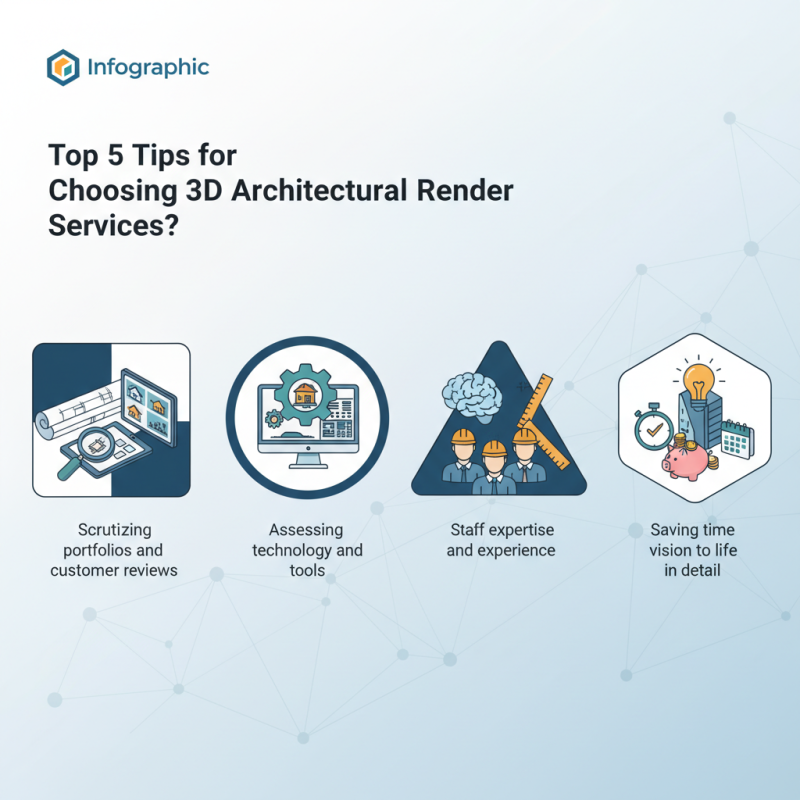
In an industry where first impressions matter, 3D renderings offer clients a real-time view of their projects. This service allows for better decision-making and enhances communication among stakeholders. However, not all services are created equal. Many companies promise the world but fail to deliver professional results. It’s crucial to scrutinize their portfolios and customer reviews to ensure reliability.
There are several factors to ponder. For instance, assess the technology and tools used by the render service. Determine if they align with industry standards. Explore whether their staff possesses the necessary expertise and experience. Choosing wisely can save time and resources while ensuring your vision comes to life in stunning detail.
Understanding Your Project Requirements for 3D Render Services
When selecting 3D architectural render services, understanding your project requirements is crucial. Start by defining the scope of your project. What type of building are you envisioning? This clarity will help you communicate effectively with render service providers. Consider factors like the architectural style, materials, and surrounding environment. Each detail enhances the final output.
Next, think about the intended use of the renderings. Are they for marketing, presentations, or internal discussions? Different outcomes require distinct approaches. If marketing is your goal, high-quality visuals with stunning details are essential. Each element matters. If the renders are for discussions, a simpler approach might suffice. Reflect on what information each render should convey.
Budget is another important aspect. 3D rendering can vary in price. Be open to adjustments in your expectations based on financial constraints. Sometimes, a less expensive option can yield satisfactory results, but quality should not be compromised. Keep in mind that good communication with your chosen service is vital. This exchange can highlight limitations and potential improvements in your project approach.
Top 5 Tips for Choosing 3D Architectural Render Services
This bar chart illustrates the importance level of various tips when selecting 3D architectural render services. Each tip has been rated from 0 to 100 based on its significance in the decision-making process.
Evaluating the Portfolio and Experience of Service Providers
When evaluating 3D architectural render services, a provider's portfolio is critical. Look for diversity in projects. A varied portfolio reflects flexibility and creativity. For example, a study by the Architectural Institute of America revealed that diverse design experiences significantly enhance a provider's ability to meet client needs.
Experience also plays a vital role. Check how long the provider has been in the industry. Reports indicate that firms with over five years of experience are 60% more likely to deliver high-quality renders. Make sure to review past projects. Look for attention to detail and realism in the renders. Each project can reveal the provider's artistic style and technical skills.
Moreover, don't shy away from asking for references. Previous clients can offer insights into their reliability and communication. Understand that not every provider will meet your expectations. Some might struggle with deadlines or client changes. Recognizing these aspects can help you avoid potential pitfalls. Creating a successful partnership starts with thorough evaluation and realistic expectations.
Assessing Technology and Tools Used in 3D Render Creation
When selecting 3D architectural render services, technology and tools play a critical role. Check if the service providers use advanced software like real-time rendering and photorealistic visualization tools. These technologies greatly influence the quality of your final images. The use of cutting-edge tools ensures that every detail, from lighting to materials, is accurately portrayed. Look for companies that offer dynamic rendering capabilities, as this can enhance interactivity and precision.
Beyond software, consider the hardware utilized. High-performance computers can process complex scenes faster, delivering quicker results. A reliable render farm can enhance the efficiency of large projects. Ask about their workflow and how they manage rendering tasks. It's important to ensure that their technology can handle your specific needs without delays.
Furthermore, inspect their previous work for consistency and quality. Look for projects that show attention to detail and creativity. Sometimes, less experienced teams may rush through projects, leading to subpar outputs. Engage with their portfolio critically, noting areas where improvement could be made. This approach helps you gauge not only their skills but also their willingness to reflect and adapt.
Comparing Pricing Models and Budget Considerations for Rendering
Choosing the right 3D architectural render services can be challenging, especially concerning pricing models. Various companies offer distinct pricing structures. Some operate on a per-project basis, while others might charge hourly. Assessing your budget early on is essential. Understand what you're willing to invest in this critical aspect of your project.
Consider the scope of your project when weighing costs. For a small project, a simple fixed rate might be the best option. However, larger or more complex designs may demand a more flexible approach. Be wary of falling for the lowest price; quality often comes at a cost. An unrealistically low estimate may signal inadequate experience or subpar materials.
Evaluate the value each service provider brings. Look for portfolios that showcase a range of styles and complexities. Don’t hesitate to ask about their previous projects to gauge reliability. Keep in mind that the cheapest solution might not yield the best results. Clarity in communication about your budget and expectations can lead to better outcomes. What you learn during this process will shape your future choices.
Checking Customer Reviews and Testimonials for Service Quality
Choosing the right 3D architectural render service can be daunting. Checking customer reviews and testimonials is a crucial step. A high number of positive reviews often indicates reliability. Look for detailed feedback on aspects like communication and quality. Specific comments on deadlines and project management are especially revealing.
When reading testimonials, don't just focus on star ratings. Pay attention to the stories behind the reviews. Genuine experiences provide insight into a company's workflow. If multiple reviews highlight similar strengths or weaknesses, that’s telling. Beware of overwhelmingly positive feedback. It can sometimes skew reality.
Evaluate the depth of feedback. Comments should reflect not just satisfaction but also areas for improvement. This helps gauge the company's ability to adapt and grow. Consider asking potential providers for case studies. This will offer a clearer picture of their past work. Balancing reviews with your specific needs is vital for the selection process.