Top 5 Tips for Sourcing Tungsten Kinetic Components?
Sourcing Tungsten Kinetic Components is a task that requires careful consideration and expertise. These components play a vital role in various industries, particularly in precision engineering and high-performance applications. Choosing the right supplier can make a significant difference in the quality and performance of your products.
When looking for tungsten kinetic components, understanding the materials and manufacturing processes is crucial. Many suppliers claim to offer high-quality components, but it's essential to verify their credentials. Experience and reliability in sourcing are key factors in finding the best options. Moreover, pay attention to the information shared by previous customers, as it can guide your decisions.
Additionally, the sourcing process itself can be challenging. It's filled with nuances that require reflection and critical thinking. Not all suppliers meet the quality standards needed for demanding applications. Being aware of potential pitfalls can help you make more informed choices. Establishing clear communication with suppliers is necessary to ensure that product specifications are met accurately.
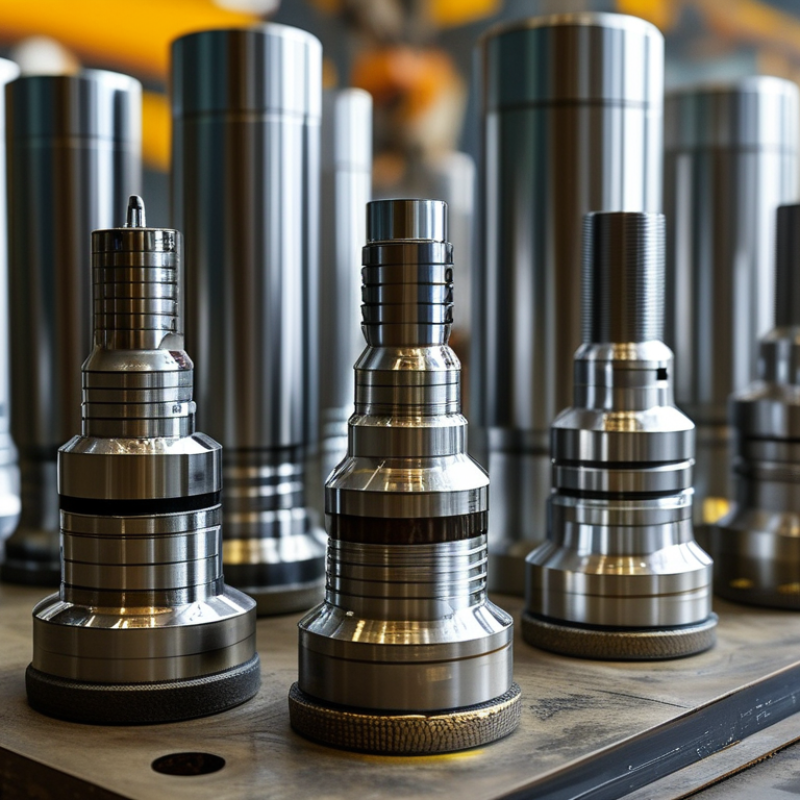
Understanding Tungsten Kinetic Components and Their Applications
Tungsten kinetic components are crucial in various industrial applications. Their high density and durability make them suitable for many fields, including aerospace, manufacturing, and defense. Understanding the properties of tungsten can guide effective sourcing decisions. For example, its excellent performance at high temperatures is an asset in demanding environments. However, sourcing these components requires careful consideration.
One notable application of tungsten kinetic components is in counterweights. These weights are essential in balancing machinery to ensure smooth operation. However, sourcing requires awareness of quality standards. Poorly sourced components can lead to inefficiencies and safety hazards. It's vital to inspect the material certification and manufacturing processes used. Not every supplier will meet the rigorous standards necessary for these applications.
Navigating the tungsten supply chain poses challenges. Global availability and market fluctuations can impact sourcing decisions. Some suppliers may not maintain consistent quality. This raises questions about reliability. Establishing strong relationships with trusted manufacturers is essential for long-term success. This approach encourages open communication, which fosters trust in material sourcing.
Identifying Quality Suppliers for Tungsten Kinetic Components
When sourcing tungsten kinetic components, finding quality suppliers is crucial. Start by evaluating their experience in the industry. A supplier with a solid track record often indicates reliability. Look for companies that have consistently delivered high-quality products. Their history in the tungsten sector can reveal a lot about their expertise.
Next, consider their production capabilities. Suppliers should have state-of-the-art equipment and skilled personnel. Ask for certifications to assess their quality control processes. A reputable supplier will openly share information about their manufacturing practices. If they hesitate, it might raise concerns. Perform due diligence by checking reviews and testimonials from other clients. This can provide insight into their reputation.
Be mindful of the communication approach taken by potential suppliers. Clear and timely communication is vital. If inquiries are met with delays or vague responses, it might signal problems ahead. Trust your instincts when the interaction feels off. Building a partnership requires mutual understanding and respect. Pay attention to details, and be prepared to adjust your criteria as you dive deeper into supplier relationships.
Evaluating Cost-Effectiveness in Sourcing Tungsten Components
When evaluating the cost-effectiveness of sourcing tungsten components, it’s crucial to consider total lifecycle costs. Sometimes, the lowest initial price does not translate into the best long-term value. Analyze various factors including durability, maintenance costs, and performance longevity. Tungsten is known for its superior density and strength, which often leads to reduced replacements.
Additionally, assessing supplier reliability is vital. A less expensive supplier may not provide the quality needed for high-performance applications. Investigate their track record and customer feedback. Are their products consistent? Do they meet industry standards? A small savings now can cause larger expenses later due to failures or inefficiencies.
Remember to factor in shipping and logistics. These expenses can fluctuate widely depending on the source. Sourcing locally may save on transport costs but may limit options. Balancing quality and cost requires careful research and analysis. This process is not perfect; it challenges assumptions and highlights areas needing improvement. Staying informed and adapting to market changes allows for more effective decision-making in component sourcing.
Top 5 Tips for Sourcing Tungsten Kinetic Components – Evaluating Cost-Effectiveness in Sourcing Tungsten Components
| Tip | Description | Estimated Cost Impact (%) | Supplier Reliability Rating | Time to Deliver (Weeks) |
| Conduct Thorough Research | Identify potential suppliers and their capabilities. | 10% | High | 4 |
| Evaluate Material Quality | Assess the purity and quality of tungsten materials used. | 15% | Medium | 6 |
| Compare Pricing Models | Understand different pricing structures offered by suppliers. | 5% | High | 3 |
| Assess Lead Times | Determine the average lead times provided by suppliers. | 20% | Low | 8 |
| Negotiate Terms | Engage in discussions to secure better terms and conditions. | 25% | Medium | 5 |
Assessing Material Specifications and Standards for Tungsten
When sourcing tungsten kinetic components, evaluating material specifications is crucial. Tungsten is known for its high density and mechanical strength, which makes it advantageous in various applications. However, understanding standards such as ASTM F2889 and ISO 9001 can guide sourcing decisions. A comprehensive analysis of these standards ensures compliance and product quality.
Tungsten components must meet strict specifications to perform reliably. For instance, the density of tungsten typically ranges from 19.1 to 19.3 g/cm³. Accurate material certification is essential. Verify suppliers' quality assurance processes to avoid issues. Regular audits can substantiate trustworthiness and adherence to industry standards.
Many companies overlook the impacts of minor variations in material properties. Even slight differences in alloy composition can lead to significant performance changes. Understanding the specific applications of tungsten components can aid in proper material selection. Keep informed about the latest research and data on material specifications and their implications. Exploring databases like MatWeb or ASM Handbooks can also enhance sourcing decisions.
Top 5 Tips for Sourcing Tungsten Kinetic Components
Establishing Long-Term Relationships with Suppliers of Tungsten Products
Building long-term relationships with suppliers of tungsten products can significantly enhance the sourcing process. Establishing trust between both parties is crucial. Regular communication fosters understanding and addresses potential challenges. Sharing feedback openly helps both suppliers and buyers improve their processes. It's essential to engage in discussions about quality and specifications. This dialogue can lead to better product outcomes.
Reliability is key. A dependable supplier meets deadlines and adheres to quality standards. Periodically reviewing supplier performance can identify areas needing improvement. This practice ensures that expectations align with actual deliverables. Building relationships also involves flexibility. Be willing to adapt to changing circumstances and needs. A collaborative approach can lead to innovative solutions that benefit both sides.
Investing time in nurturing these supplier relationships can pay off. Regular visits to suppliers can strengthen connections and allow for face-to-face discussions. This personal touch often uncovers nuances in the partnership. Reflecting on past experiences can help in refining your approach. Recognizing failures becomes an opportunity for growth. Each relationship is unique, and being attentive to this diversity will yield better results.