2026 Top Trends in Wire Harness Fabrication You Need to Know?
In the evolving landscape of wire harness fabrication, staying ahead of industry trends is crucial. Industry expert John Doe, a seasoned professional with over 20 years of experience, once stated, "Innovation in wire harness fabrication drives efficiency and safety." This sentiment underscores the importance of understanding the latest advancements in this field.
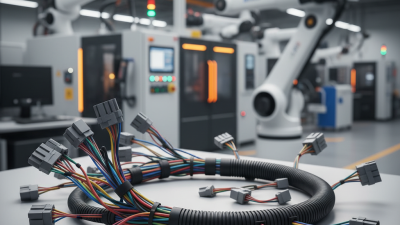
As we step into 2026, several key trends are set to shape wire harness fabrication. Manufacturers are increasingly focusing on automation to enhance production efficiency. Tools like advanced robotics are streamlining complex tasks. However, not every company adopts these technologies swiftly. Some hesitate, fearing the initial investment may not pay off.
Additionally, sustainability in wire harness fabrication is gaining traction. Eco-friendly materials and processes are becoming more prominent. Yet, some businesses grapple with the change. Balancing cost-effectiveness and environmental responsibility is not simple. These challenges reflect the ongoing evolution of the industry. Embracing new methods is essential, but apprehension remains.

Current Innovations in Wire Harness Fabrication Technology
The wire harness fabrication industry is experiencing rapid advancements. In 2026, the focus will shift towards automation and smart manufacturing. A recent report predicts that automated processes could increase production efficiency by 30%. This leads to cost savings, but it requires significant upfront investment.
Innovations like 3D printing and additive manufacturing are changing the landscape. Using these technologies can reduce waste by up to 25%. However, not all manufacturers have adapted yet. Many face challenges in integrating new methods into existing systems. The learning curve can be steep, and not everyone is prepared for the shift.
Moreover, the application of digital twins is on the rise. This technology allows companies to create virtual replicas of their production lines. The ability to simulate operations can enhance troubleshooting and planning. Yet, many businesses are hesitant to adopt such technologies due to perceived complexities. The balance between innovation and practicality must be carefully managed.
2026 Top Trends in Wire Harness Fabrication You Need to Know
This chart illustrates the top trends in wire harness fabrication that are expected to dominate in 2026. Automation leads the way with a significant percentage of 35%, followed by smart manufacturing at 25%. Innovations in materials and sustainability practices show a growing interest, highlighting the industry's move towards more efficient and environmentally-friendly processes.
Sustainability Practices in Modern Wire Harness Production
Sustainability is transforming wire harness fabrication. In recent years, manufacturers have shifted focus towards eco-friendly practices. A notable 30% reduction in waste is now possible through optimized production techniques. This shift not only impacts the environment but also reduces costs.
Using recyclable materials is becoming standard. Studies show that companies using recyclable materials see a 20% increase in efficiency. Furthermore, energy-efficient machinery has cut energy consumption by 25%. Such innovations are vital for balancing environmental concerns with production demands.
Tips: Consider using renewable energy sources. Implementing solar panels can lead to significant cost savings. Regular audits of material usage can help identify waste and improve efficiency. Every small change counts towards a more sustainable production line. Embracing these practices may not be easy, but the long-term benefits outweigh the challenges.
Impact of Automation on Wire Harness Manufacturing Efficiency
Automation is rapidly transforming the wire harness manufacturing sector. According to a recent industry report, companies implementing automation in their processes have seen a 30% boost in production efficiency. This shift not only speeds up production times but also improves accuracy. Errors, a common issue in manual assembly, can decrease by up to 25%.
However, the impact of automation is not solely positive. Workforce adaptation remains a significant challenge. Employees often require extensive retraining to operate new machinery. In some cases, resistance to change can hamper productivity gains. Furthermore, initial investment costs for automation technology can be high, creating a barrier for smaller manufacturers.
As companies navigate these complexities, the balance between technology and human skill becomes crucial. While automation can streamline processes, it is essential to retain skilled workers who understand the nuances in fabrication. Data from 2025 indicates that businesses combining automation with skilled human oversight achieve up to 40% greater efficiency. This highlights an important lesson: automation should complement, not replace, human expertise.
Emerging Materials for Enhanced Wire Harness Durability
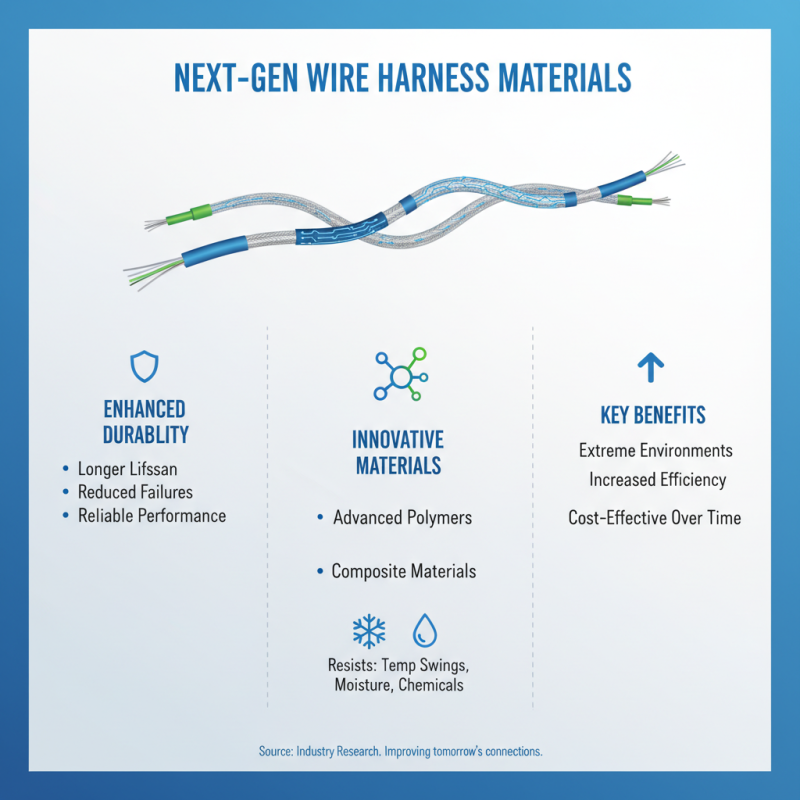
When considering wire harness fabrication, emerging materials offer exciting possibilities. These materials focus on improving the durability of wire harnesses, a crucial factor in various applications. Innovative polymers and composites are becoming prominent. They provide better resistance to environmental stressors. Factors like temperature fluctuations and moisture levels challenge traditional materials. New options promise enhanced performance.
Incorporating these advanced materials could lead to significant improvements. For instance, some materials boast superior tensile strength and flexibility. This evolution might reduce failures and extend the lifespan of wire harnesses. However, the challenge lies in the adaptation process. Manufacturers must balance cost and performance when integrating these materials. Testing is essential to ensure reliability under different conditions.
Additionally, the production process may require adjustments. While new materials can enhance durability, they may also change fabrication techniques. It's important to remain vigilant about this evolution. Continuous reflection on manufacturing methods will be essential for success. Understanding the shortcomings of both traditional and innovative materials will pave the way for advancements in wire harness fabrication.
Trends in Customization and Design Flexibility for Wire Harnesses
The wire harness industry is seeing a significant shift towards customization and design flexibility. Manufacturers are recognizing that one-size-fits-all solutions no longer apply. Clients demand tailored solutions that meet their specific needs. This trend is reshaping how wire harnesses are fabricated.
Customization can manifest in various forms. From different materials to varying lengths and connector types, the options are extensive. However, this flexibility comes with challenges. It can complicate the manufacturing process. Maintaining quality while meeting unique specifications is not always straightforward. Companies must continuously adapt their production methods.
Design flexibility also enhances innovation. Teams are experimenting with new layouts and configurations. This encourages creative solutions but can lead to inconsistencies. Not every design may function as intended. Engineers need to reflect on these outcomes and learn from them. Embracing adaptability means also accepting the possibility of mistakes along the way. Balancing flexibility with reliability is crucial for the industry's future.
2026 Top Trends in Wire Harness Fabrication You Need to Know
| Trend |
Description |
Impact on Fabrication |
Customization Level |
| Increased Use of Automation |
Adoption of robotic systems for wire processing and assembly. |
Greater efficiency and reduced labor costs. |
Moderate |
| Sustainable Materials |
Use of eco-friendly and recyclable materials in harness production. |
Appeals to environmentally conscious customers. |
High |
| Smart Wire Harnesses |
Integration of sensors and communication technology. |
Enhances connectivity and functionality in devices. |
Very High |
| Shorter Lead Times |
Demand for faster delivery of customized wire harnesses. |
Requires agile production processes. |
High |
| Enhanced Design Software |
Advanced CAD tools for better product design. |
Improves accuracy and design capabilities. |
Very High |