
Blog

Top Home Energy Storage Battery Manufacturers Worldwide?

Choosing a Home Energy Storage Battery is not just a matter of comparing capacity or price. A household needs a system that fits its solar production, evening demand, available installation space, and backup expectations. Tesla CEO Elon Musk described the wider ambition at the 2015 Powerwall unveiling: “The goal is to fundamentally change the way the world uses energy.” That ambition now meets practical questions: How many kilowatt-hours can a battery deliver? What is its usable capacity? Can the inverter handle the home’s peak load?

The manufacturers discussed in this guide operate across different markets and offer distinct battery chemistries, system designs, warranties, and service networks. A strong comparison should separate published specifications from real-world suitability. For example, a compact battery may suit a city home with limited wall space, while a larger household may need modular expansion and dependable backup power. Details matter. So does the installer. Product availability and support can vary by country, even for familiar brands.

This overview compares leading manufacturers using clear criteria, including usable energy, power output, efficiency, safety information, warranty terms, and compatibility with solar equipment. It does not treat a high capacity figure as proof of better performance. Nor can any global ranking capture every home’s needs. Some specifications look reassuring on paper but deserve closer scrutiny. Readers should verify current product documents and local support before deciding. The aim is a grounded starting point—not a promise that one battery suits everyone.
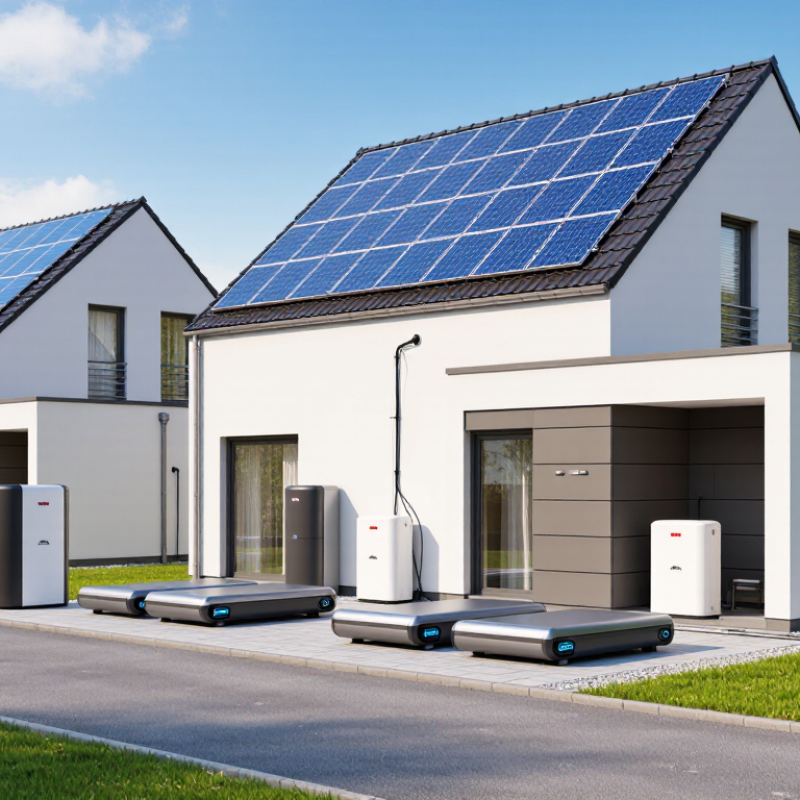
Top Home Energy Storage Battery Manufacturers Worldwide?

What Home Energy Storage Batteries Do and How They Work

A home energy storage battery stores electricity for use when solar panels produce little power or household demand rises. Most systems use lithium-ion cells, where lithium ions move between electrodes during charging and discharging. The battery delivers direct current, while an inverter converts it into alternating current for lights, refrigerators, and other household circuits. A battery management system monitors cell voltage and temperature. It can limit charging or output when conditions become unsafe.

The operating pattern is practical, not mysterious: midday solar can charge the battery, then stored energy can run a kettle or refrigerator after sunset. During a grid outage, backup power works only if the system is designed and configured to isolate the home safely. Small details matter. IEA’s Batteries and Secure Energy Transitions report notes that global battery-storage additions in the power sector reached about 42 GW in 2023, more than double the previous year. That figure includes more than household units, but it shows how quickly storage is expanding. Real performance still depends on usable capacity, conversion losses, temperature, and how often the battery cycles. A tidy specification sheet cannot capture every household’s habits.

Key Battery Technologies Used in Residential Energy Storage

Residential energy storage commonly relies on lithium-ion cells, especially lithium iron phosphate (LFP) and nickel manganese cobalt (NMC). LFP is often selected for its thermal stability and long cycle life. NMC can offer higher energy density, which matters when floor space is limited. Neither chemistry is automatically best for every home.

A battery’s chemistry is only part of the system. A battery management system monitors cell voltage, temperature, and charge levels, helping keep operation within specified limits. The inverter converts stored direct current into household alternating current. Check usable capacity, not only the advertised total: reserve settings and conversion losses can reduce the energy available during an outage. That matters.

Lead-acid batteries remain an option in some installations, but their weight and typically shorter service life can be drawbacks. Sodium-ion systems are developing, though availability and performance vary by product and market. Installation conditions count, too. A garage that gets very hot, a cramped utility closet, or poor ventilation can affect operating conditions. Homeowners should compare warranty terms, tested safety features, and expected cycling patterns with a qualified installer. I would not choose by chemistry name alone; real household loads are often messier than a neat product chart suggests.

Top Home Energy Storage Battery Manufacturers Worldwide? - Key Battery Technologies Used in Residential Energy Storage

A technology-focused comparison of battery chemistries used or considered for residential energy storage. Actual performance, usable capacity, and service life depend on system design, operating conditions, and the product warranty.

Battery technology Residential market status Key characteristics Advantages Considerations Typical residential fit
Lithium iron phosphate (LFP) Widely used in current residential storage systems Lithium-ion chemistry using an iron-phosphate cathode; generally valued for thermal stability and cycle durability. Typically avoids nickel and cobalt in the cathode; often supports frequent cycling and substantial usable capacity, subject to system settings. Usually has lower cell-level energy density than many nickel-rich lithium-ion chemistries; installation still requires appropriate protection and controls. A common choice for daily solar self-consumption and backup storage.
Nickel manganese cobalt (NMC) Used in some home battery products; less dominant in many newer stationary offerings Lithium-ion chemistry combining nickel, manganese, and cobalt in the cathode; formulations vary. High cell-level energy density can support compact battery designs. Thermal management and battery-control protections are important; the cathode contains nickel and cobalt. May suit installations where compact size is a priority and the system is designed for stationary use.
Lead-acid Established technology; still found in some backup and off-grid applications Includes flooded and sealed valve-regulated designs, such as AGM and gel batteries. Mature, widely understood technology with established recycling channels in many regions. Generally heavier and less energy-dense than lithium-ion; frequent deep cycling can shorten service life, and flooded types require maintenance and ventilation. May be considered for cost-sensitive backup or off-grid setups where space and weight are less restrictive.
Sodium-ion Emerging technology, with availability and residential deployment varying by market Uses sodium-based charge carriers rather than lithium; cell designs and performance differ across products. Can use more widely available sodium-based materials and may offer supply-chain diversity. Product range, field history, system integration, and long-term service data are still developing compared with established residential lithium-ion options. A technology to monitor where compatible, certified residential systems become available.
Vanadium redox flow Commercial stationary-storage technology; uncommon in typical homes Stores energy in liquid electrolyte held in tanks and circulated through an electrochemical stack. Energy capacity and power output can be sized separately; the electrolyte is not consumed in normal operation. Pumps, tanks, and system complexity generally make it less compact and less suited to standard residential installations. More relevant to larger or long-duration stationary projects than to space-constrained homes.

Note: Chemistry alone does not determine system safety, usable energy, efficiency, or lifespan. Compare complete system specifications, certifications, installation requirements, and warranty terms.

How to Assess Home Energy Storage Battery Manufacturers

Assess a home storage battery against the household’s actual load, not its headline capacity. Check usable kilowatt-hours, continuous power, backup capability, and performance during outages. Ask how the manufacturer measures capacity retention and whether its warranty specifies years, cycles, or total energy throughput. Those terms reveal more than a broad “long life” claim.

Market growth is context, not proof of product quality. The IEA’s Batteries and Secure Energy Transitions report says battery storage additions in the power sector reached about 42 GW in 2023, nearly double 2022. BloombergNEF reported an average lithium-ion battery pack price of $115 per kilowatt-hour in 2024, down 20% year over year. That is a pack-level benchmark, not a complete home-system quote; compare installation, inverter, and service costs separately.

Review independent safety test documentation, thermal-management details, and compatibility with the intended inverter. Ask for warranty exclusions in writing, especially limits tied to temperature or operating patterns. A glossy datasheet still leaves gaps. Look for field-service coverage and clear procedures for diagnosing faults. If performance figures lack test conditions, treat them cautiously; even a capable supplier may publish incomplete comparisons.

Cycle life is one useful factor when assessing home energy storage manufacturers. These indicative industry ranges vary with operating conditions, depth of discharge, and product design; compare them with each manufacturer’s warranty and independently verified specifications.

Leading Home Energy Storage Battery Manufacturers Worldwide

Leading home energy storage battery manufacturers worldwide differ in scale, chemistry, and system design. Many produce lithium-based units for daily solar storage, backup power, or time-of-use savings. Their work involves more than assembling cells. Battery management software must monitor temperature, voltage, and charge levels inside a compact cabinet.

Manufacturing capacity is concentrated in Asia, while established suppliers and system integrators also operate in Europe and North America. A manufacturer’s reputation is only one part of the decision. Buyers and installers often compare usable capacity, round-trip efficiency, warranty terms, safety testing, and compatibility with inverters. Details matter. A battery rated for 10 kilowatt-hours may provide less usable energy, depending on its settings and operating conditions. Installation quality matters too.

Reliable producers publish clear technical documents and explain how their products perform across different temperatures and charging patterns. They should also state how long replacement parts and service support are expected to remain available. Warranty language can be difficult to compare, and advertised cycle life rarely tells the whole story. That is easy to overlook. Independent certification and consistent quality control offer useful evidence, but they cannot predict every household’s experience. A system sized for evening cooking and refrigeration may not suit a home with electric heating or frequent outages.

Comparing Manufacturers by Products, Markets, and Applications

Home energy storage manufacturers are best compared by what they build, where they sell, and how systems are used. Some focus on compact batteries for apartments; others offer modular units for larger homes. Product details matter: usable capacity, continuous power, chemistry, warranty terms, and inverter compatibility. A battery sized for evening lighting may not support a heat pump during a cold outage. Check operating temperature and backup switchover time, too.

Tips: Compare specifications in the same units, then ask about local installation support and replacement parts. Small print matters.

Manufacturers serving residential, off-grid, or backup-power markets may prioritize different features. Grid-connected homes often value shifting use away from peak hours, while remote sites need reliable storage through cloudy stretches. Product catalogs cannot show everything. Support response, installer training, and real-world cycle performance are harder to judge from a brochure. The comparison is imperfect: published figures can hide test conditions, so verify them before choosing.

Go to Top