Waterproof Micro Switch Tips for Optimal Performance?
In various industries, the need for reliable components is crucial. Waterproof Micro Switches have become essential in applications exposed to moisture. A recent industry report noted that demand for these switches has surged by 30% over the past year. This increase highlights their growing importance in sectors like automotive, industrial, and consumer electronics.
These switches must meet specific performance criteria. For instance, the IP rating is vital; a rating of IP67 guarantees protection against dust and water ingress. However, not all manufacturers uphold these standards. Many products lack adequate testing, leading to a higher failure rate. This inconsistency calls for careful selection and consideration in the procurement process.
Furthermore, improper installation can compromise efficiency. Users often overlook the importance of mounting techniques, which can impact the switch's performance significantly. It is clear that while Waterproof Micro Switches offer advantages, they are not without challenges. A critical approach is necessary to ensure optimal performance and durability in demanding environments.
Understanding the Basics of Waterproof Micro Switches
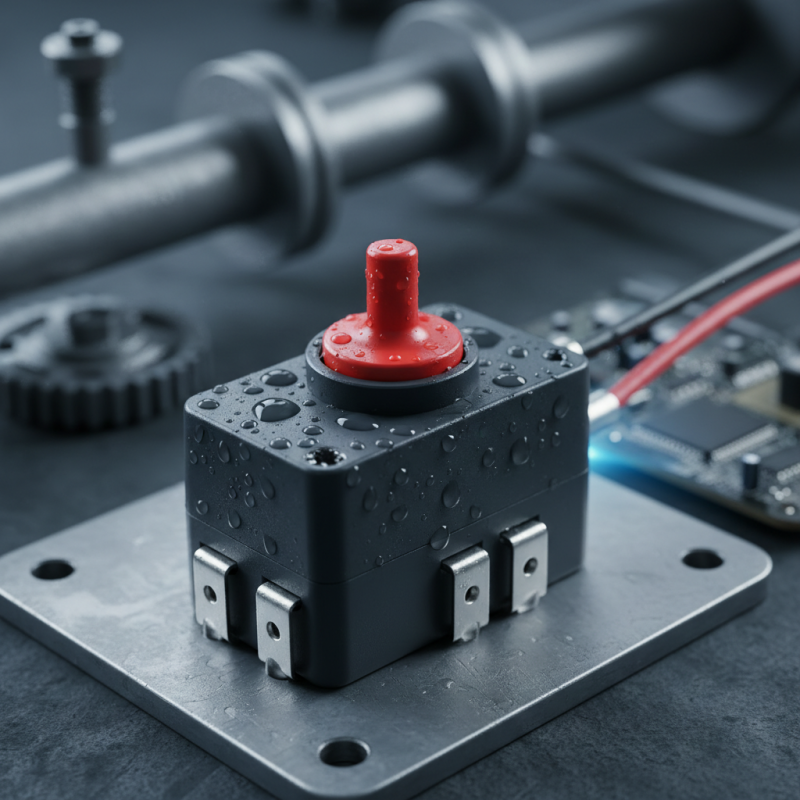
Waterproof micro switches are crucial in many applications. They function reliably in harsh environments. Understanding their basics helps in choosing the right switch for your needs. These switches typically have an IP rating, indicating their level of water and dust resistance. An IP67 rating means they can withstand immersion in water up to a certain depth.
When selecting a waterproof micro switch, consider the materials used. Corrosion-resistant materials enhance durability. Pay attention to the operating temperature range. Extreme temperatures can affect performance. Also, the actuation force is essential—check that it suits your specific application. Regular testing can ensure these switches function correctly over time.
Tips: Always verify the IP rating before purchase. Regularly inspect switches in high-humidity areas. Sudden failures can occur, so proactive maintenance is key. In some cases, opting for slightly over-specified switches can provide extra reliability. Remember, even the best switches can fail if not maintained properly. It’s a precaution worth taking.
Key Features That Enhance Waterproof Micro Switch Performance
When selecting waterproof micro switches, key features play a vital role in their performance. First, the ingress protection (IP) rating is crucial. A higher IP rating indicates better resistance to dust and water. For example, switches with an IP67 rating can withstand immersion in water for short periods.
Another important feature is the sealing material. Silicone or rubber seals can significantly enhance durability. They protect internal components from moisture and contaminants. However, materials may degrade over time. Regular inspections are necessary to ensure continued effectiveness.
The actuator mechanism also matters. A well-designed actuator can improve response time and reliability. For instance, a snap-action mechanism provides quick actuation. This is ideal under harsh conditions. However, without proper maintenance, wear can occur and affect performance. It's essential to monitor usage conditions and perform routine checks to ensure optimal functionality.
Waterproof Micro Switch Performance Factors
Installation Guidelines for Optimal Functionality of Micro Switches
When installing a waterproof micro switch, proper guidelines are vital for ensuring optimal functionality. Waterproof micro switches are widely used in various industries where moisture is a concern. According to a report by the Micro Switch Association, improper installation can lead to a 30% increase in failure rates. Small mistakes can cause significant downtime.
To enhance performance, ensure that the switch is correctly sealed. Pay attention to the gasket material used. An inappropriate gasket can compromise the waterproof feature. Tightening screws to the specified torque is crucial. Over-tightening can deform the switch casing, causing leaks. Conversely, under-tightening may lead to ingress of water.
Moreover, consider the environmental factors at the installation site. Extreme temperatures or vibrations can affect the switch's performance. It may also lead to degradation of materials over time. The humidity level should be monitored closely. A study by the Automation Technology Group indicates that micro switches operating in high humidity environments may fail 40% more often than those in ideal conditions. Always review and adjust your installation practices to avoid these pitfalls.
Maintenance Practices to Extend the Life of Waterproof Micro Switches
Waterproof micro switches are crucial in many industries, especially in harsh environments. Regular maintenance is vital to ensure these components function optimally. Neglected switches can fail under moisture exposure, leading to costly downtime. A study by the International Electrotechnical Commission states that improper maintenance can reduce component life by up to 50%.
To extend the life of waterproof micro switches, regular inspections are necessary. Look for signs of corrosion or wear. Clean the switch with appropriate solvents. Ensure no residue remains, as it can compromise the switch's function. Moisture penetration is a common issue. Even with waterproof ratings, seals can degrade over time. A report from the American Society for Testing and Materials shows that seal integrity can decline by 30% within five years in typical use.
It’s essential to test switches periodically. Use functional checks to identify any anomalies. Some operators overlook this step, leading to unexpected failures. Educating staff on maintenance practices plays a key role. However, many companies can improve user training. Investing time in education pays off. Effective maintenance leads to better reliability and performance in the long run.
Troubleshooting Common Issues with Waterproof Micro Switches
Waterproof micro switches are crucial in various applications, yet they often face issues. Understanding how to troubleshoot these switches can save time and enhance functionality. Common problems include water ingress, poor sealing, and electrical failure. According to industry reports, 30% of warranty claims result from water-related failures in switches. Ensuring proper sealing can significantly reduce these claims.
To prevent water ingress, regularly inspect the gaskets. Consider using silicone or rubber materials for better protection. A simple test involves submerging the switch in water. If moisture remains inside, it may indicate seal failure. Checking wiring connections is also essential. Loose or corroded connections can lead to erratic behavior or failure. Additionally, ensure the switch is rated for the specific environmental conditions.
Tip: When installing, follow the manufacturer's guidelines closely. Using the correct torque settings can maintain optimal performance. Keep a maintenance schedule. Regular checks can identify minor issues before they escalate. Addressing these problems promptly will enhance the reliability of your waterproof micro switches. Remember, every installation is an opportunity to learn. Assessment is crucial for continuous improvement.