What Is a Tactical Watch and What Is It Used For?
A Tactical Watch is more than a rugged-looking timepiece. It combines timekeeping with tools such as GPS navigation, a compass, an altimeter, timers, and durable construction. The exact features vary by model. Some watches prioritize navigation and training data; others focus on simple, dependable controls that work with gloves or in poor weather. That distinction matters. A crowded feature list does not automatically make a watch useful.
There is a practical reason these functions attract outdoor users. The Outdoor Industry Association’s 2024 Outdoor Participation Trends Report says 175.8 million Americans took part in outdoor recreation in 2023. That figure describes participation, not tactical-watch ownership. Still, it shows why reliable navigation and activity tracking matter to many people outdoors. GPS.gov explains that receivers calculate location by timing signals from multiple satellites, making satellite reception and battery life important considerations. A watch may show coordinates, but it cannot guarantee a safe route or replace map-reading skills. Not quite. In real use, a cold touchscreen, a fading battery, or a confusing menu can matter more than an impressive specification. This guide explains what a Tactical Watch is, what its main features do, and who may benefit from wearing one. It also looks at limitations, because even capable equipment can be the wrong tool for a particular trip. A compass, paper map, and practiced judgment still have a place.
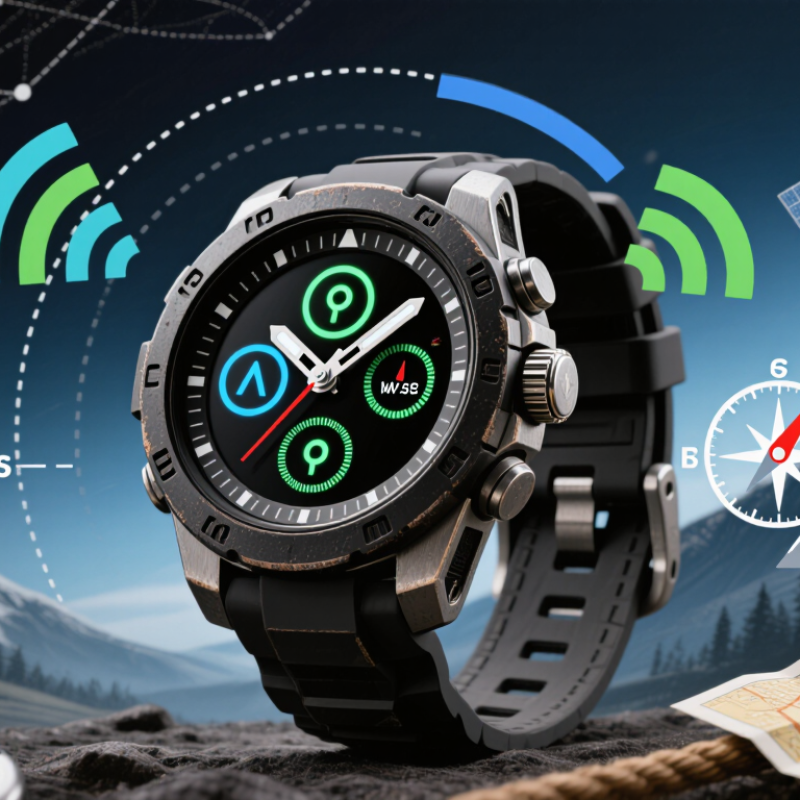
What Defines a Tactical Watch?
A tactical watch is defined less by its appearance than by how reliably it works in demanding conditions. There is no single universal standard that makes a watch “tactical.” Instead, useful traits include a clear dial, controls that remain manageable with gloves, a durable case, and dependable timekeeping.
The label can be fuzzy. A dark finish alone proves little.
A helpful reference is the U.S. Department of Defense’s MIL-STD-810H, which describes environmental test methods for equipment, including exposure to temperature, shock, and vibration. It is not a tactical-watch certification, and a manufacturer’s test claim should name the specific method and conditions. Look for details, not just a ruggedness slogan.
Grand View Research estimated the global smartwatch market at USD 33.58 billion in 2023, illustrating the scale of the broader wearable category; that figure does not measure tactical watches specifically.
In practical use, check whether the watch remains readable in dim light, whether its buttons are easy to distinguish by touch, and whether its battery life fits your routine. A feature-heavy display may look impressive, yet become distracting outdoors. Even “military-inspired” can mean very little without test details.
How Tactical Watches Are Designed for Demanding Conditions
A tactical watch is designed to remain readable and usable when conditions become uncomfortable. The case usually has a protected crown, sealed joints, and controls large enough to operate with wet hands or gloves. High-contrast markings and luminous hands help in dim rooms or under a jacket sleeve. Small details matter. A raised bezel can protect the crystal, while a textured strap is less likely to slide against sweaty skin. These choices involve trade-offs: thicker cases can feel cumbersome, and bright screens may drain batteries faster.
The U.S. Outdoor Industry Association’s 2024 Outdoor Participation Trends Report counted 175.8 million Americans participating in outdoor recreation in 2023. That broad use makes durability more than a styling claim. MIL-STD-810H describes environmental test methods for factors such as shock, vibration, humidity, and temperature; it is not a blanket certification for every watch. Water-resistance claims also need context: ISO 22810 sets testing requirements, but a depth marking should not be treated as a guarantee for every real-world activity. In practice, check the maker’s stated test conditions and service guidance. Even a rugged watch can fail if seals age or the crown is left unsecured. And comfort matters. A watch that catches on a sleeve may be tough, but not very practical.
Which Features Support Tactical Use?
A tactical watch is defined less by its appearance than by how reliably it works in demanding conditions. A high-contrast dial helps you read the time quickly in dim light or under a jacket cuff. Raised markers and hands with luminous coating can improve visibility, though glow fades and may need recharging with light. Small details matter.
A tough case and a scratch-resistant crystal help protect the watch from knocks against a pack buckle or rough surface. Water resistance is useful in rain and shallow water, but its rating has limits; it does not make every watch suitable for diving. A secure strap should stay put during movement and dry reasonably quickly after getting wet. Controls should be easy to operate with cold fingers or gloves, not just look rugged.
Depending on the task, useful extras may include a compass, an altimeter, a timer, or a backlight that preserves night vision. Digital models can offer alarms and multiple time zones, while simpler designs may be easier to use under stress. Battery life deserves careful attention: frequent GPS use can drain power faster than expected. More features are not automatically better. I’d check each function in ordinary conditions before relying on it outdoors; a compass, for example, needs to be used away from nearby metal that can affect its reading.
What Is a Tactical Watch and What Is It Used For?
A tactical watch is built to support practical tasks in demanding conditions, such as tracking elapsed time, reading the time in low light, and navigating outdoors.
The ratings are illustrative comparisons on a 1–5 scale, not standardized test results. Usefulness varies with the task and environment; water and shock resistance help protect a watch, while luminous markers, timing functions, and navigation tools support specific field activities.
How Tactical Watches Serve Different Users and Environments
A tactical watch is designed for clear, dependable timekeeping when conditions are demanding. Its value depends less on a rugged appearance than on readable markings, reliable controls, and a case that can handle everyday knocks. In bright sun, a high-contrast dial is easy to scan. At night, a restrained backlight can help without overwhelming dark-adapted eyes. Simple matters.
Different users need different features. A trail worker may value a compass, but it needs calibration and can be affected by nearby metal. Hikers may prefer a countdown timer for breaks or route checks. Emergency staff often benefit more from a legible display and dependable alarms than from extra sensors. A feature is useful only when the wearer knows its limits.
Environments shape the choice, too. Gloves make small buttons frustrating, while cold weather can shorten battery life. Rain calls for suitable water resistance, but water-resistance ratings are not a promise that every watch suits every activity. On a dusty worksite, a protected screen and easy-to-clean strap may matter more than advanced data. I’ve found that extra functions can slow down a quick check; that trade-off is easy to overlook. The best fit is the one that remains readable, comfortable, and reliable in the wearer’s actual routine.
What to Consider When Choosing a Tactical Watch?
A tactical watch is designed for clear, dependable timekeeping in demanding conditions. Choosing one starts with your actual routine, not the most impressive feature list. Will you wear it in rain, on a trail, or during long shifts? A watch that suits wet weather may need stronger water resistance than one used mostly indoors. Check the maker’s stated rating and care guidance; water resistance can change as seals age.
Readability matters. Large numerals, strong contrast, and usable lighting help when you check the time in a dim vehicle or outdoors at dusk. Try the controls with gloves if that is part of your work. They should be easy to find, but not so loose that a sleeve can press them by accident. Small details count.
Consider power, weight, and fit, too. A battery-powered model may be simple to maintain, while a rechargeable one needs regular charging. Solar charging can help, but it still depends on light and use.
A heavy case may feel reassuring at first, then annoy you after hours on the wrist. Be honest about that. Extra alarms, timers, or navigation tools are useful only if you will learn them and keep them maintained. Before buying, compare the watch’s documented specifications with your needs, and remember that no watch is indestructible.