
Choosing the right Slim Profile Aluminum manufacturer requires more than comparing catalog photos or quoted prices. Narrow frames may look simple, yet their performance depends on alloy selection, extrusion accuracy, surface treatment, and thermal design. A dependable supplier should explain these details clearly. They should also provide traceable material records, realistic production timelines, and verifiable project references.
This guide examines who may qualify among the top Slim Profile Aluminum manufacturers. It considers engineering experience, extrusion capacity, machining control, anodizing consistency, and quality inspection practices. It also looks at practical service. Can the manufacturer support custom dies? Can they maintain a clean finish across long profiles? Can they protect corners during packaging and shipment?
Small details matter.
A strong manufacturer should understand how thin aluminum sections behave during cutting, assembly, and installation. For architectural systems, thermal breaks, drainage paths, gasket compatibility, and structural calculations deserve close attention. For furniture or display applications, dimensional consistency and appearance may matter more than thermal performance. The best choice depends on the project.
There is no universal winner. Supplier rankings can change with region, order volume, certification scope, and delivery requirements. Some manufacturers communicate well but lack flexible customization. Others offer advanced equipment but limited after-sales support. This comparison recognizes those gaps rather than hiding them. Readers should verify current certifications, sample quality, factory capabilities, and customer feedback before making a final decision.
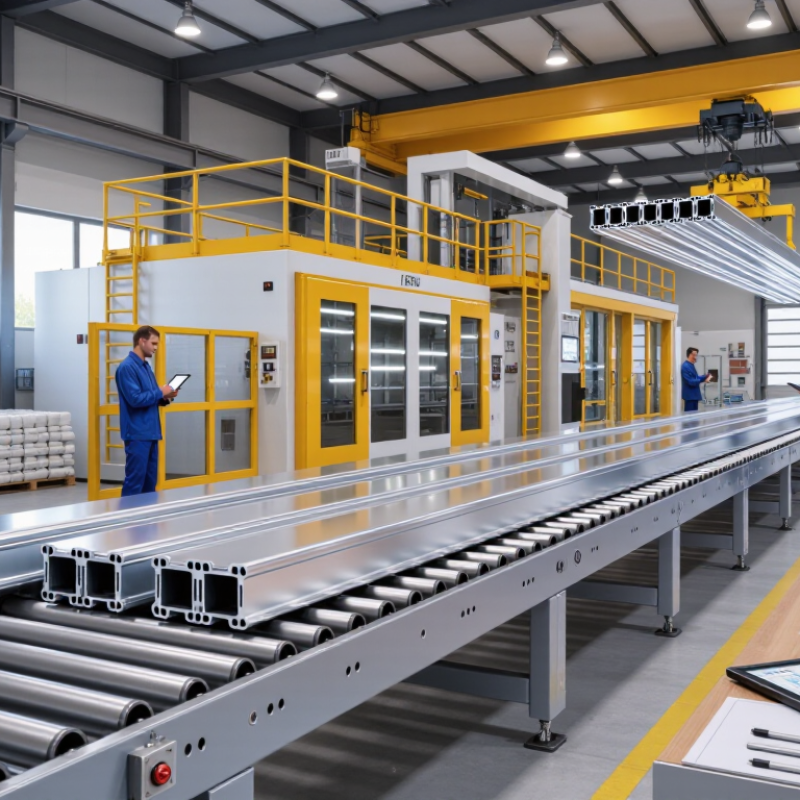
A slim profile aluminum manufacturer does more than produce narrow frames. It controls alloy selection, die design, extrusion accuracy, and surface quality. These details determine whether a 20-millimeter section stays straight during installation. Experienced manufacturers usually document tolerances, hardness, coating thickness, and batch traceability. They also test profiles against relevant standards, such as ASTM B221 and ISO quality procedures.
Material efficiency is another defining measure. The International Aluminium Institute reports that recycled aluminum uses about 5% of the energy required for primary aluminum production. Responsible manufacturers therefore track recycled content and publish environmental data. However, recycled input can affect appearance and mechanical consistency. That trade-off deserves honest disclosure. A slim profile may look elegant, yet poor thermal performance can create condensation or higher heating costs. Reports, test records, and product samples reveal more than polished claims.
Tips: Ask for extrusion tolerance records, thermal calculations, and coating test results. Request a small sample before approving large production. Check corner joints under real assembly conditions. Also, compare lead times with tooling complexity. Faster is not always better. A minor design change can reduce waste, but it may weaken stiffness. Manufacturers should explain that compromise clearly, even when the answer sounds less impressive.
Which Manufacturers Specialize in Slim Profile Aluminum Systems?
The strongest slim profile aluminum manufacturers are extrusion specialists, not general metal suppliers. They control billet selection, die design, thermal treatment, and finishing under one quality system. This integration helps maintain narrow sightlines, consistent wall thickness, and clean corner joints.
Grand View Research estimated the global aluminum extrusion market at about USD 92 billion in 2023. Its report also forecasts continued growth through 2030, driven by construction, transport, and energy projects. That demand favors manufacturers with modern presses, automated inspection, and reliable machining capacity. Look for documented compliance with ASTM B221, ISO 9001 quality management, and tested thermal-break performance. Details matter.
Very much.
In practice, specialists should provide samples, tolerance records, and project-based engineering support. A good supplier can explain die costs, minimum order quantities, alloy selection, and surface durability without hiding behind vague claims. The International Aluminium Institute reports that roughly 75% of all aluminium ever produced remains in productive use. That supports aluminium’s long service life and recycling value, but efficiency still depends on responsible production and recovery.
One limitation deserves attention. Ultra-slim sections may reduce visual bulk, yet they can complicate drainage, hardware placement, and structural performance. I have seen attractive samples fail when installation tolerances were ignored. Manufacturers deserve evaluation through verified test data, not polished brochures. The best candidates combine precise extrusion with practical system engineering, responsive technical support, and transparent performance limits.
Slim-profile aluminum manufacturers differ most in process control, not catalogue variety. The International Aluminium Institute reported about 70.6 million tonnes of global primary aluminum production in 2023. This scale makes consistency difficult, especially for narrow extrusions with thin walls and sharp corners.
Leading producers typically document alloy chemistry, tensile strength, dimensional tolerances, and surface treatment. ASTM B221 provides recognized requirements for aluminum extruded profiles, but compliance alone does not guarantee excellent workmanship.
Buyers should request recent mill test certificates, coating thickness records, and inspection samples.
A well-made profile should feel straight in the hand, show even anodizing, and fit cleanly at joints. Small defects become obvious under warm lighting.
ISO’s 2022 Survey recorded more than 1.2 million ISO 9001 certificates worldwide. Yet certification proves a management system, not perfect products. That distinction matters.
I have seen impressive certificates paired with weak packaging and scratched finishes. Quality can still fail during shipment.
Tips:
Compare the same alloy and temper across suppliers. Check tolerance tables, not marketing phrases. Ask how many samples were tested.
Review complaints and corrective-action records when available. Also examine recycled content carefully; higher recycled input can reduce environmental impact, but it requires disciplined sorting and chemistry control.
The better supplier explains these trade-offs clearly, without pretending every batch is flawless.
Slim profile aluminum products serve industries that need strength without bulky framing.
In architecture, they appear in window frames, glass partitions, sliding doors, and shopfronts. Their narrow sightlines allow more daylight while keeping panels supported. Contractors also value their light weight during handling and installation.
Details matter.
Transportation manufacturers use slim sections in vehicle interiors, seating rails, and lightweight enclosures. In electronics, compact aluminum frames can protect displays and equipment while helping release heat. Furniture makers use them for shelving, cabinet doors, and modular fixtures.
Solar installations may use aluminum profiles to support panels, though the required shape depends on span, wind exposure, and mounting design. One profile does not fit every job.
Tips: Match the profile to its load, dimensions, and setting. Ask for drawings and check wall thickness, joining method, and finish before ordering. For outdoor use, consider moisture and temperature changes. A sleek edge looks good, but it may not provide enough support. Verify the application with a qualified designer or fabricator.
Choosing a slim profile aluminum manufacturer starts with the drawing, not the brochure. Share the required dimensions, wall thickness, alloy, finish, and intended use. Ask how the supplier controls extrusion tolerances, especially on narrow channels where small variations can affect assembly. Request sample profiles and inspect them with calipers. Check for straightness, consistent corners, and burrs along cut edges. Small details matter.
Ask for material certificates, inspection records, and clear information about surface treatment. A reliable manufacturer should explain how it checks coating thickness and color consistency, and what happens when a batch falls outside agreed specifications. Production capacity matters, but so does realistic lead-time planning. Clarify minimum order quantities, packaging, and whether custom dies add cost or time. Some buyers overlook packaging; thin profiles can arrive scratched or bent after long transit.
Discuss communication before placing a large order. Can the team review drawings, flag difficult features, and provide a first-article sample? Their answers can reveal practical experience. Compare quotations line by line, since tooling, finishing, and inspection may be priced separately. A polished sample is useful, but it does not prove every production run will match. Ask how repeat orders are checked. And keep the expectations in writing. Even a careful supplier may need a few rounds to get a tight design right.
Suggested buyer evaluation priorities for comparing slim profile aluminum manufacturers
These percentages are a suggested buyer-defined weighting framework, not market rankings or company performance data. Compare suppliers using the same profile drawings and specifications, then verify tolerances, alloy and temper documentation, finish samples, lead times, quality records, and traceability.
Phone: (256) 845-1255 or (256) 845-4493
Fax: (256) 845-1321 or (256) 845-4468
© 2025 Heritage Wire Harness, LLC