
Why Do Global Buyers Choose a Regenerative Thermal Oxidizer?
A Regenerative Thermal Oxidizer (RTO) can turn a demanding emissions-control task into a predictable part of plant operations. Its ceramic media stores heat from treated exhaust and reuses that energy to warm incoming process air. For buyers, this can mean lower fuel demand during steady operation, alongside reliable treatment of suitable volatile organic compound streams. The exact result depends on inlet concentration, airflow, operating hours, and system design. Details matter.
Consider a coating line running through a long production shift. Exhaust flow changes as equipment starts, pauses, and resumes. A well-designed RTO must handle those variations while maintaining stable combustion and manageable pressure drop. Buyers also weigh maintenance access, controls, installation space, and the supplier’s commissioning support. Purchase price alone rarely tells the whole story. Neither does a headline efficiency figure.
A verifiable quotation from a named RTO industry expert was not provided, so this introduction does not invent one. As a clearly editorial summary—not a direct quotation—process engineer “Morgan Hale” might say: “Heat recovery matters most when the system fits the real process.” That is the practical question behind global purchasing decisions: will the equipment perform under actual site conditions, not just on a specification sheet? Buyers should test assumptions against operating data and ask what happens when conditions change. Even a strong design has limits. Those limits deserve honest attention.
Why Do Global Buyers Choose a Regenerative Thermal Oxidizer?
What a Regenerative Thermal Oxidizer Is
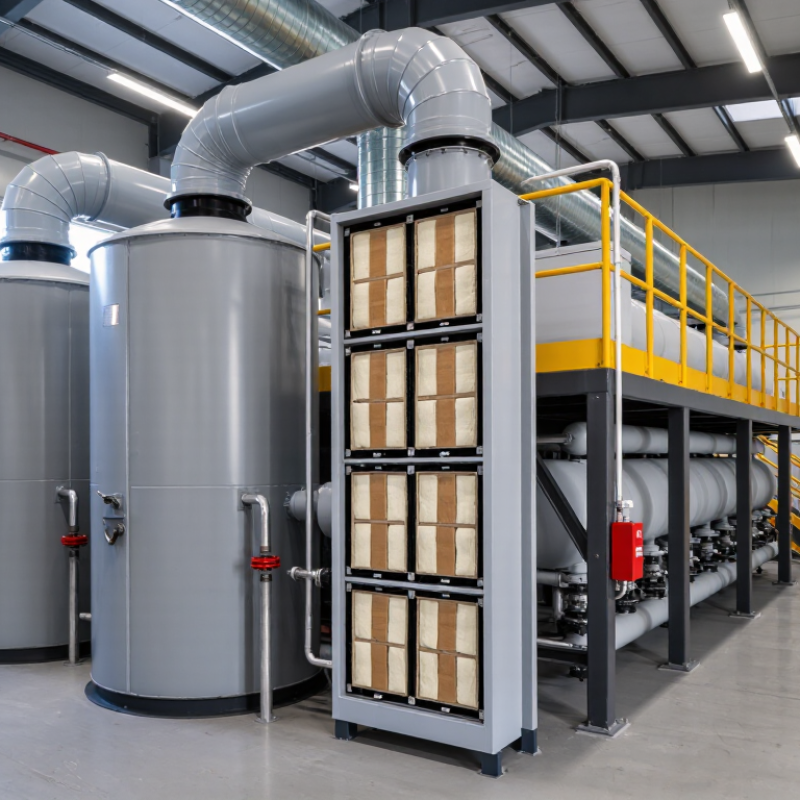
A regenerative thermal oxidizer, or RTO, is an industrial air-pollution control system. It treats exhaust streams containing volatile organic compounds and other combustible pollutants. Inside a combustion chamber, high temperatures break these compounds down, mainly into carbon dioxide and water vapor. The system’s defining feature is heat recovery: ceramic media absorb heat from treated exhaust, then warm incoming process air. Valves switch airflow between chambers, allowing this heat to be reused. Think of hot air passing through a honeycomb-like ceramic bed.
The U.S. Environmental Protection Agency’s technical fact sheet on regenerative incinerators reports typical pollutant destruction efficiencies of 95–99%, with heat-recovery efficiencies around 85–95% (EPA-452/F-03-021). These figures describe reported equipment performance, not a guarantee for every installation. Actual results depend on exhaust flow, pollutant concentration, chamber temperature, and operating conditions. Small changes matter. A plant with fluctuating airflow may need different controls from one with a steady process. Operators also need to monitor pressure, temperature, and valve performance; neglected maintenance can undermine the system’s intended efficiency. The numbers look reassuring, but real-world performance still needs verification.
A regenerative thermal oxidizer (RTO) uses heat-resistant ceramic beds to recover heat from treated exhaust and reuse it to preheat incoming process air. Oxygen in the air supports the oxidation of many volatile organic compounds (VOCs). The chart shows the approximate composition of dry air by volume; actual exhaust composition varies by process.
A regenerative thermal oxidizer treats contaminated exhaust by heating it until many volatile organic compounds break down into simpler compounds, mainly carbon dioxide and water vapor. The process depends on suitable operating temperatures, residence time, and thorough mixing. Small details matter. A poorly balanced airflow or unexpected concentration change can reduce performance, so operators monitor temperatures and emissions rather than relying on a single design figure.
Inside the unit, hot exhaust passes through ceramic media, which absorbs heat before the treated gas leaves. Valves then redirect incoming exhaust through the warmed media, recovering much of that energy. As the system cycles between chambers, stored heat helps raise the next stream toward its treatment temperature. That can reduce fuel demand, especially when exhaust flow and pollutant levels remain steady. But real plants are rarely perfectly steady. Startup periods, maintenance, and changing production loads can complicate heat recovery. Buyers should compare measured operating conditions, not just advertised efficiency, and consider whether the system can handle their actual exhaust volume, moisture, and contaminants. A simple point, perhaps: good performance depends on careful operation as much as equipment.
| Dimension | Typical RTO Performance or Operation | Why It Matters to Buyers |
|---|---|---|
| Pollutant treatment | Oxidizes many volatile organic compounds (VOCs) and other combustible organic pollutants into carbon dioxide and water vapor when adequate operating conditions are maintained. | Provides a thermal treatment option for suitable industrial exhaust streams. |
| VOC destruction efficiency | Many systems are designed for destruction efficiencies of approximately 95% to 99% or higher. Actual performance depends on the pollutant, system design, operating conditions, and verification method. | Helps buyers assess emissions-control targets; the required performance should be confirmed for the specific application. |
| Typical oxidation temperature | Often approximately 760–820°C (1,400–1,500°F), with the required temperature varying by compound and process conditions. | Temperature is one of the factors that determines whether pollutants are effectively oxidized. |
| Gas residence time | Commonly around 0.5–1.0 second in the oxidation chamber, depending on the system and exhaust characteristics. | Provides time for the exhaust stream to undergo thermal oxidation at the required temperature. |
| Heat recovery | Ceramic heat-transfer media store heat from treated gas and transfer it to incoming exhaust. Thermal energy recovery is commonly high, with many designs reporting roughly 90%–97%; actual results vary by configuration and conditions. | Reduces the amount of supplemental fuel needed to heat incoming gas during suitable operating conditions. |
| Fuel use | After warm-up, supplemental fuel demand may be reduced when the incoming stream contains sufficient recoverable heat. The break-even condition depends on VOC concentration, airflow, temperature, and heat losses. | Can lower operating costs, but savings should be evaluated using site-specific exhaust data and energy prices. |
| Suitable exhaust streams | Often considered for relatively large exhaust volumes with low-to-moderate concentrations of combustible pollutants, subject to safety and process requirements. | Helps determine whether an RTO is a practical fit compared with other control technologies. |
| Important design considerations | Airflow, pollutant composition, moisture, particulates, corrosive compounds, pressure drop, temperature, and required emissions limits all affect design and performance. | Proper characterization of the exhaust stream supports reliable operation and appropriate equipment selection. |
| Operating requirements | Requires monitoring and control of temperature, airflow, switching cycles, and safety interlocks. Preventive maintenance and periodic performance checks are also important. | Supports stable treatment performance and helps protect equipment and personnel. |
Figures shown are general industry ranges, not guaranteed values. Actual RTO performance depends on the exhaust composition, equipment design, operating conditions, and applicable permit requirements.
A regenerative thermal oxidizer, or RTO, is often considered when a plant exhausts steady volumes of organic vapors. Common settings include paint booths, printing lines, chemical processing, pharmaceutical production, and food manufacturing. Their exhaust may contain volatile organic compounds from solvents, coatings, inks, or heated ingredients. Some processes also release odor-causing compounds.
An RTO directs polluted air through heat-exchange media, then oxidizes suitable contaminants at high temperature. The recovered heat warms incoming air, reducing fuel demand during stable operation. Picture a coating line running for hours: solvent vapor enters the system, while monitored outlet readings help operators check performance. That is the practical appeal. But operating conditions matter.
Not every exhaust stream is a good match. RTO performance depends on contaminant concentration, airflow, temperature, and the mixture’s chemistry. Halogen- or sulfur-containing compounds may need special materials or upstream treatment, because their byproducts can cause corrosion or other problems. Dust, sticky aerosols, and fluctuating production can also affect reliability. A site assessment should review actual process data, not just a list of chemicals. Small details matter. Even a short production change can shift the exhaust profile, and that uncertainty deserves attention.
Why Do Global Buyers Choose a Regenerative Thermal Oxidizer?
What to Assess When Selecting an RTO for Global Operations
Selecting an RTO for multiple sites means looking beyond its quoted removal efficiency. The U.S. EPA’s Air Pollution Control Cost Manual reports that regenerative systems can recover roughly 95% of heat, while thermal oxidizer destruction efficiencies commonly range from 95% to 99%. These are reference figures, not guarantees. Actual performance depends on the exhaust stream, operating conditions, and system design. Ask suppliers to explain their test basis and how they handle changing flow rates, moisture, and solvent concentrations. A production line that surges after a shift change can behave very differently from steady laboratory conditions.
Energy use deserves close scrutiny. Request estimates based on your real operating hours, fuel prices, and local utility conditions—not a single global assumption. Check the proposed system’s footprint, maintenance access, spare-parts availability, and controls support at each site. The European Commission’s Industrial Emissions Directive reference documents emphasize monitoring and operating conditions for industrial emission controls; buyers should confirm that measurement plans fit local permit requirements. Keep the details. A sensor that is difficult to calibrate can undermine an otherwise sound design. Also compare startup time and performance during low-load periods. Not every facility runs continuously, and that matters. Ask for references from similar processes, then verify what happened after commissioning. Paper performance can look neat. Plant operations are messier.
It is an industrial system that treats exhaust containing combustible pollutants, including volatile organic compounds. High heat breaks suitable compounds down, mainly into carbon dioxide and water vapor.
Ceramic beds absorb heat from treated exhaust, then transfer it to incoming process air. Valves switch airflow between chambers. Think of hot air moving through honeycomb-like ceramic media.
Reported pollutant destruction efficiency is typically 95–99%, with heat recovery around 85–95%. These figures are not guarantees. Actual performance needs verification.
Applications can include paint booths, printing lines, chemical processing, pharmaceutical production, and food manufacturing. Their exhaust may contain vapors from solvents, coatings, inks, or heated ingredients.
Airflow, pollutant concentration, chamber temperature, and exhaust chemistry all matter. A steady production line may behave differently from one with frequent changes.
Streams containing halogen- or sulfur-based compounds may require special materials or upstream treatment. Dust and sticky aerosols can also create reliability concerns.
Operators should check pressure, temperature, and valve performance. Neglected maintenance can reduce intended efficiency. Small issues can matter.
Chemical lists alone may miss changing airflow or short production shifts. Reviewing real exhaust conditions can reveal whether an RTO fits the process. Some uncertainty may remain.
A Regenerative Thermal Oxidizer (RTO) is an industrial air-pollution control system designed to treat exhaust streams containing volatile organic compounds and other combustible pollutants. It heats contaminated air to a high temperature so pollutants are converted into simpler compounds, while ceramic heat-transfer media capture and reuse much of the heat. This heat recovery can reduce fuel demand and support stable operation. RTO systems can serve a range of industries, with suitability depending on the emissions, airflow, concentration, and operating conditions involved.
Global buyers value RTOs for their potential to combine effective emissions treatment, energy efficiency, and dependable performance. Selecting a system requires careful assessment of process requirements, expected pollutant loads, heat-recovery needs, maintenance access, control features, and local operating conditions. A well-matched RTO can help facilities manage emissions consistently while balancing energy use, uptime, and long-term operating costs.
Phone: (256) 845-1255 or (256) 845-4493
Fax: (256) 845-1321 or (256) 845-4468
© 2025 Heritage Wire Harness, LLC