What is Wire Harness Manufacturing and How to Source It?
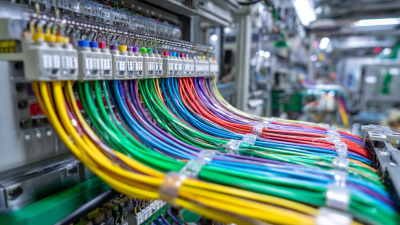
In the evolving landscape of electronics, wire harness manufacturing plays a critical role. It involves assembling wires and connectors that transmit power and data. Experts like John Smith, a leading engineer in the field, emphasize the importance of quality: “Reliable wire harnesses are the backbone of electronic efficiency.” His insights highlight the meticulous nature of this trade.
As the demand for sophisticated electronics grows, sourcing top-quality wire harnesses becomes essential. Manufacturers must navigate various suppliers while ensuring adherence to industry standards. Details matter greatly. Customers should verify certifications and seek evidence of past projects for reliability.
However, challenges exist in this competitive market. Some suppliers may promise more than they deliver. This inconsistency can lead to costly failures. Companies need to invest time in building relationships with trustworthy manufacturers. A well-sourced wire harness can greatly enhance product performance while reducing long-term costs.
What is Wire Harness Manufacturing?
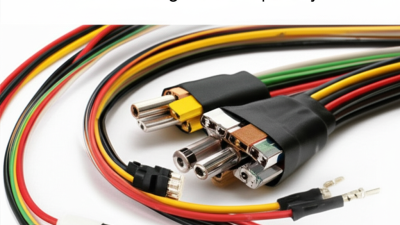
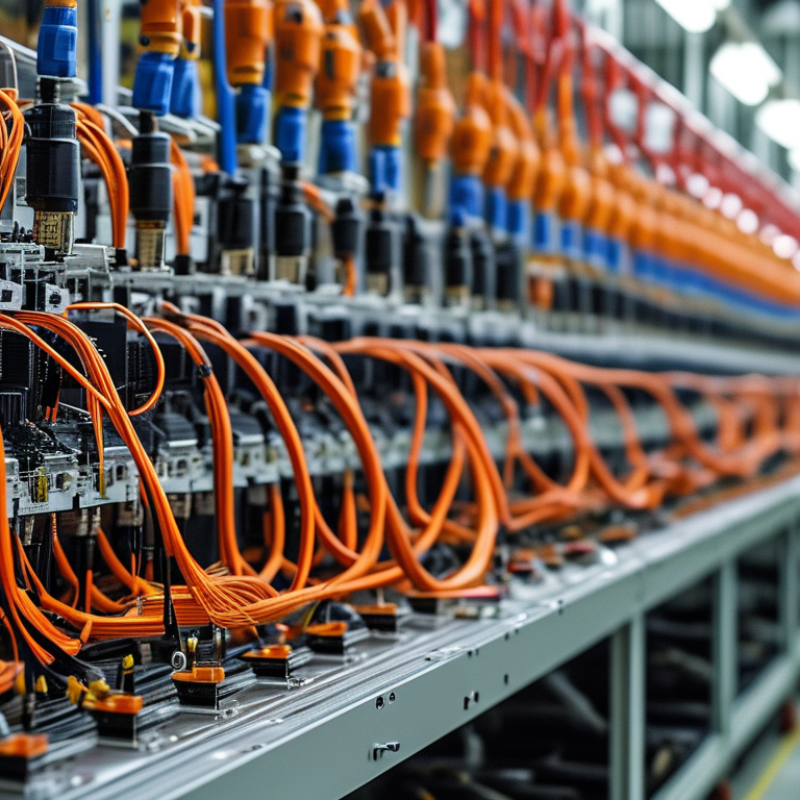
Wire harness manufacturing is a critical process in many industries. It involves assembling a series of wires, terminals, and connectors into a single unit. This unit creates an organized and efficient way to distribute electrical power and signals. In essence, a wire harness acts as the nervous system of a product, connecting different components seamlessly.
The manufacturing process itself requires precision and attention to detail. Each wire must be cut, stripped, and terminated correctly. Manufacturers often use specialized machinery to ensure consistency. However, achieving high standards can be challenging. Companies may face issues like material quality or production speed. Such challenges can lead to delays or defects, which are unacceptable in critical applications like automotive or aerospace.
Additionally, sourcing wire harnesses entails careful evaluation of suppliers. Not all manufacturers provide the same quality and expertise. Businesses must thoroughly assess potential partners based on their credentials and previous work. Cost is also a significant factor, but it shouldn't compromise quality. Reflecting on these elements can lead to better decision-making in sourcing wire harness manufacturing services.
Key Components of Wire Harnesses Explained
Wire harnesses are essential components in various industries, from automotive to aerospace. They consist of multiple wires bundled together. These wires connect different electrical systems and components. This ensures reliability and efficiency in electronic functions. Understanding the key components of wire harnesses is crucial for sourcing them effectively.
One main component is the wires themselves. They can be made from copper or aluminum. The choice of material affects conductivity and flexibility. Insulation is also important. It protects the wires from damage and reduces electrical interference. Connectors are another vital element. They join different wires and components seamlessly. Each connector type serves a unique purpose.
Choosing the right materials can be challenging. Industry standards vary, and every application has specific needs. Manufacturers often provide customization options. However, this can complicate sourcing decisions. Collaboration with experienced suppliers helps navigate these complexities. Their expertise ensures the wire harness meets all requirements. Quality assurance throughout the production process should not be overlooked.
The Wire Harness Manufacturing Process Step-by-Step
The wire harness manufacturing process involves several crucial steps. It begins with design considerations. Engineers create detailed schematics that outline the structure and function of the harness. They must evaluate factors like voltage, energy efficiency, and thermal management. This stage is vital, as errors can lead to significant production delays or product failures.
Next comes material selection and procurement. Manufacturers choose the right wires, connectors, and insulators. The quality of these materials directly affects the harness's durability and performance. This can be a challenging phase. Suppliers may offer varying quality levels. Verifying the reliability of these sources is essential yet often overlooked.
After acquiring materials, the actual assembly begins. Skilled workers cut, strip, and crimp wires according to the design specifications. This phase demands attention to detail. Even a small mistake can result in a non-functional product. Quality control checks must be performed throughout the process. This ensures that every harness meets the required standards before it leaves the facility, but there can be inconsistencies. Reflecting on these challenges can improve future production cycles.
Factors to Consider When Sourcing Wire Harnesses
When sourcing wire harnesses, several factors should be evaluated to ensure the right choice. Begin with the manufacturer's experience in the industry. A company with a proven track record often indicates reliability. Look for certifications that meet industry standards. This adds a layer of trust in their production practices.
Next, consider the materials used in the harnesses. High-quality components will lead to better performance. Verify supplier specifications and ask for samples if possible. This step helps to identify any potential inconsistencies early on. Evaluate customization options as well. Different projects may require unique designs, making flexibility a key factor.
Cost is another critical element. While seeking budget-friendly options, ensure that quality isn’t compromised. Balancing cost and quality can be challenging, but it is essential. Aim for a comprehensive evaluation of potential suppliers. Poor decisions can lead to delays and increased expenses down the line. Developing a clear communication channel with your supplier is equally important to foster collaboration and address issues promptly.
Wire Harness Manufacturing Process Analysis
This bar chart illustrates the time distribution across different steps in the wire harness manufacturing process, showcasing the areas where significant effort is spent from design to delivery.
Selecting the Right Supplier for Wire Harness Needs
Selecting the right supplier for your wire harness needs is crucial. A reliable supplier should have experience in the industry. Look for companies with a proven track record of delivering high-quality products. Their past performance will give insights into their capabilities. You can ask for references from previous clients to gauge their reliability.
Evaluate their production capabilities. A capable supplier should have access to modern manufacturing equipment. This can enhance efficiency and maintain product quality. Check their certifications to ensure they meet industry standards. It’s vital that they adhere to safety and quality benchmarks, which reflects their commitment to excellence.
Consider their communication and customer service. A good supplier should be responsive and open to discussions. Timely updates about production statuses are essential. Don’t hesitate to voice any concerns during the sourcing process. This reflects your expectations and helps establish a mutual understanding. Quality partnerships require ongoing dialogue and adjustment.
What is Wire Harness Manufacturing and How to Source It? - Selecting the Right Supplier for Wire Harness Needs
| Supplier Criteria |
Description |
Importance Rating (1-5) |
| Experience in Wire Harness |
Years of experience in manufacturing wire harnesses for various industries. |
5 |
| Quality Certifications |
Certifications such as ISO 9001 to ensure quality management. |
5 |
| Material Sourcing |
Access to high-quality and cost-effective materials used in wire harness manufacturing. |
4 |
| Customization Capabilities |
Ability to provide customized solutions based on client specifications. |
4 |
| Lead Time |
Average time taken to fulfill orders and deliver products. |
3 |
| Customer Support |
Availability and quality of support and service provided to customers. |
4 |
| Pricing Structure |
Transparency in pricing and competitiveness compared to market rates. |
5 |