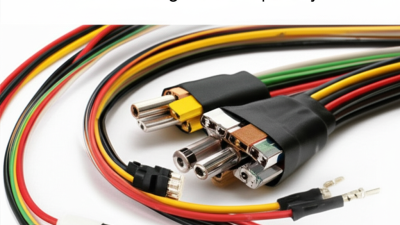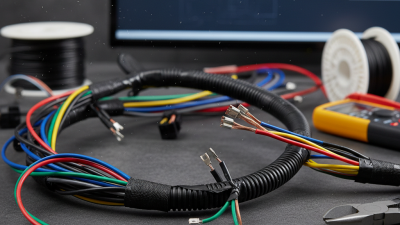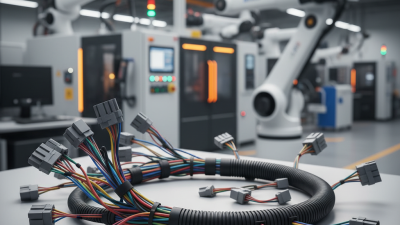
Choosing a China-based wire supplier is not only about finding the lowest quote. The right wire harness wire must match the design, operating conditions, and assembly process. Start with clear specifications: conductor material, wire gauge, strand count, insulation type, rated temperature, and voltage. Consider where the harness will operate. Heat, vibration, moisture, and repeated flexing can all affect service life. Small details matter.
Ask suppliers how they verify materials and production consistency. Useful evidence may include inspection records, test reports, material declarations, and traceability information. Confirm that samples match the quoted specifications, then check that the supplier can maintain those specifications across repeat orders. A polished quotation is not proof. Look for precise answers and documents that can be reviewed. If a response is vague, ask again.
Price still matters, but compare like with like. A lower offer may reflect a different conductor, insulation, tolerance, or testing scope. Discuss minimum order quantities, lead times, packaging, and change-control procedures before placing an order. Where possible, review samples in your actual assembly and operating conditions. Keep the evaluation practical. No checklist replaces engineering judgment, and even a careful supplier review has limits. The goal is not to find a perfect supplier on paper; it is to find a capable partner whose materials, quality controls, communication, and delivery performance fit your requirements. That takes comparison—and sometimes a second look.

Define Your Wire Harness and Wire Supply Requirements
Before comparing wire suppliers, describe the harness’s actual job. List each circuit, its operating current, voltage, and expected duty cycle. Specify conductor material and gauge, insulation type, wire colors, and cut lengths. Include the environment: under-hood heat, vibration, moisture, oil exposure, or repeated flexing. A harness routed through a tight enclosure may need different insulation and bend flexibility than one installed inside a dry control cabinet. Small details matter.
Prepare a drawing or sample layout showing connector locations, branch lengths, labels, and routing paths. Note required tolerances and any electrical checks, such as continuity or insulation resistance. If the design is still changing, say so. That sounds obvious. It is not. Suppliers can quote inaccurately when they receive only a wire gauge and an estimated quantity. Share prototype needs, forecast volumes, packaging preferences, and target delivery intervals. Also ask what inspection records are available and how material substitutions are reviewed. A neat spreadsheet helps, but it cannot replace a clear drawing.
Separate essential requirements from preferences. For example, identify the minimum temperature rating and abrasion protection, then clarify which color choices are flexible. Request samples when fit or handling is uncertain, and evaluate them in the intended routing space. One awkward bend can reveal a gap in the specification. Revisit the requirements after the first assembly; teams sometimes discover that their initial assumptions were too optimistic.
When comparing wire harness suppliers in China, look beyond years in business. Ask about projects with similar cable types, connectors, routing, and operating conditions. Specific experience matters. A supplier familiar with tight bend radii or high-mix orders can often spot design and assembly risks earlier. Request sample inspection records, process checks, and examples of how defects were corrected. Then verify that the evidence matches the people and equipment you see during a factory visit.
Tips: Ask for a sample build and review it against your drawings. Check crimp consistency, labeling, wire length, and connector fit. Small details count.
Assess capability on the production floor. Are cutting, stripping, crimping, testing, and inspection steps documented? Ask how operators confirm settings when a job changes. Review test equipment calibration records and traceability for wires and terminals. A polished tour is not proof of stable output. I would also compare the quoted capacity with current workload, shift patterns, and staffing; estimates can be optimistic. Start with a controlled pilot order, track delivery and defect data, and discuss what happens if demand rises or a key component arrives late. One assessment may miss a weak point, so revisit the evidence after production begins.
A reliable wire harness supplier should provide current quality certificates with a scope that covers the actual production site and product type. Check the issuing body, expiry date, and certificate number rather than relying on a logo in a brochure. Paper can look convincing. Ask how the supplier controls wire gauge, insulation, crimp height, and connector fit during production. These details affect consistency, not just appearance.
Review sample test reports and confirm they identify the tested materials, method, date, and acceptance limits. Depending on the application, useful checks may include continuity, insulation resistance, pull-force, and temperature exposure tests. Ask to see calibration records for the equipment and a clear process for handling failed samples. Small details matter. For a practical assessment, compare the report with a sample harness and its lot information.
Can the supplier trace its terminals and wire reels to a specific production batch? A certificate alone cannot answer that. Testing frequency may also vary, so agree on what is checked for each order and what records will be retained. A neat factory tour helps, but it does not replace evidence.
Choosing a wire harness supplier means checking more than price and sample quality. Ask how the supplier handles custom wire lengths, connector types, branch points, labels, and protective sleeving. Provide a clear drawing and operating conditions, then see whether the team asks useful questions before quoting. A sample should match the approved specifications, not just look tidy on a workbench. Small details matter.
Communication is part of the manufacturing process. Notice whether replies address technical questions directly and whether design changes are recorded in revised documents. Ask who confirms a change and how it reaches production staff. A polished quotation can still hide a weak process. That matters. Even a capable supplier can miss a detail, and unclear drawings may be part of the problem. Check assumptions on both sides.
Delivery reliability needs evidence beyond a promised date. Ask how material lead times, sample approval, and production capacity affect the schedule. Request realistic updates when a component is delayed, rather than waiting until shipment is due. Past delivery records can help, but compare them with orders of similar size and complexity. One missed update may not define a supplier; repeated surprises deserve attention.
A low quotation for a wire harness can hide costs that appear later. Compare the full landed cost, not only the price per piece. Include tooling, sample builds, minimum order quantities, freight, packaging, and inspection. Cheap is rarely cheap. A small connector change, for example, may require new samples and delay production. Ask each supplier to state what the quoted price includes and how long it remains valid.
Check whether the supplier can explain its costing assumptions. Request a clear breakdown of materials, labor, testing, and any setup charges. Then compare lead times and order terms using the same forecast and delivery schedule. A lower unit price may tie up cash in excess inventory, while an incomplete test plan can add sorting or rework costs. Ask how revisions are documented and how production lots can be traced. These details are practical evidence of process discipline, not just sales claims.
Before committing, review a representative sample and confirm that its wire gauge, terminals, labels, and dimensions match your drawing. Discuss how defects are recorded and who handles corrective action. I have seen comparison sheets miss the cost of delayed approvals; it is easy to overlook, and not every project can estimate it precisely. Still, noting that risk beside each quote makes supplier discussions more grounded. A sample approval taking two extra weeks can change the real cost of a tightly scheduled build.
Phone: (256) 845-1255 or (256) 845-4493
Fax: (256) 845-1321 or (256) 845-4468
© 2025 Heritage Wire Harness, LLC