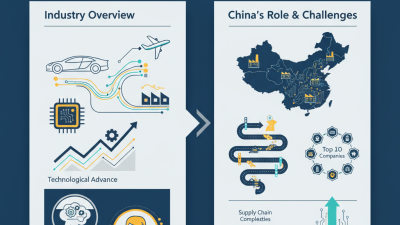
China Top 10 Harness Assembly Manufacturers for Buyers?
Choosing among China’s top 10 harness assembly manufacturers requires more than comparing prices. Buyers need evidence of stable production, engineering capability, and responsive communication. A polished website is useful, but it cannot replace process records, sample inspections, and factory discussions.
John W. Mitchell, former IPC president and CEO, has expressed a practical industry principle: “Standards are the language of trust in electronics manufacturing.” That idea matters in harness assembly. A reliable supplier should explain its crimp-force testing, wire preparation, terminal control, continuity testing, and final inspection procedures. Ask for measurable details. For example, can the factory provide crimp-height records, first-article reports, and batch traceability? These documents reveal more than broad claims about quality.
This guide examines ten manufacturers serving automotive, industrial, medical, energy, and electronic equipment markets. The comparison considers manufacturing experience, design support, certifications, equipment, minimum order quantities, customization, and export communication. Buyers should also review material substitutions, tooling ownership, lead times, and corrective-action procedures. Small details matter. A loose terminal can stop an entire machine.
No ranking is perfect. Supplier data can change, and a strong factory for high-volume automotive work may not suit a prototype project. That limitation deserves attention. Buyers should request samples, verify current certifications, and conduct an appropriate audit before committing. The goal is not to identify the cheapest supplier. It is to find a dependable partner whose harness assembly process fits the product, risk level, and expected production growth.
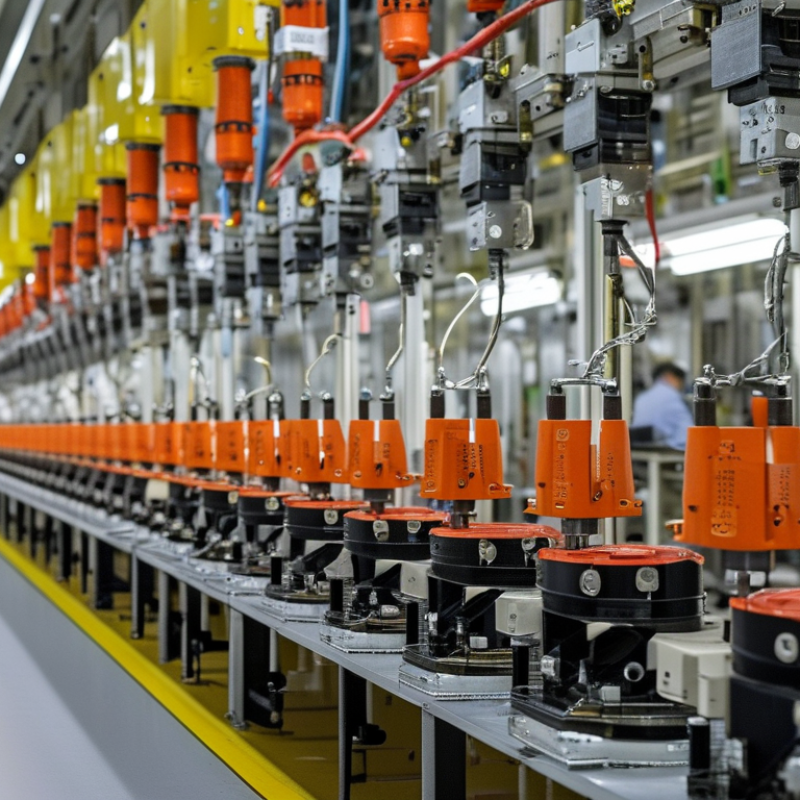
China’s Top 10 Harness Assembly Manufacturers: Scope, Ranking, and Buyer Criteria
China Top 10 Harness Assembly Manufacturers for Buyers?
China’s Top 10 Harness Assembly Manufacturers should be judged by scope, ranking, and buyer criteria. A meaningful list covers automotive, industrial, medical, energy, and consumer harness assemblies. It should include both high-volume plants and smaller engineering-focused workshops. Size alone proves little.
A practical ranking can combine production capacity, quality systems, engineering support, delivery records, and export experience. Factory audits should examine crimp height checks, pull-force testing, wire routing, labeling, and final continuity tests. Ask for process photographs and sample inspection reports. Details matter. Compliance with recognized standards, such as IPC/WHMA-A-620, can strengthen technical confidence, but certificates require verification.
Buyer criteria should match the project, not the supplier’s marketing language. Request drawings, approved material lists, tooling ownership terms, minimum order quantities, and change-control procedures. Check whether the supplier can trace terminals, wires, and operators by batch. During sampling, inspect connector fit, strain relief, heat-shrink placement, and bend radius. I have seen attractive quotations fail because packaging damaged terminals during shipping. That risk is easy to overlook. A ranking is never perfectly objective. Some suppliers publish impressive capabilities but provide weak evidence. Buyers should score verified performance, then revise the ranking after pilot production. Price remains important, but unstable quality creates hidden labor, delays, and field-service costs.
Certification Benchmark: ISO 9001, IATF 16949, UL, and IPC/WHMA-A-620
When buyers compare China’s top 10 harness assembly manufacturers, certification should guide the shortlist. It should not replace technical judgment. ISO 9001 shows that a supplier controls documented processes, corrective actions, and customer feedback. Ask for the current certificate, scope, and issuing body. An expired document means little.
For automotive projects, IATF 16949 is a stronger benchmark. It emphasizes risk management, process control, traceability, and defect prevention. During a factory review, inspect crimp-height records, pull-force tests, continuity results, and first-article samples. UL recognition can support electrical safety claims, but confirm whether it covers the exact wire, terminal, and assembly configuration. The mark alone is not enough.
IPC/WHMA-A-620 provides practical workmanship criteria for cable and wire harnesses. Buyers should check how the supplier applies it to stripping, crimping, soldering, routing, and labeling. Request inspection photos and sample records. Small details matter.
Certificates can impress.
Yet gaps remain.
In my experience, some suppliers present excellent audit files but weak shop-floor discipline. Others maintain clean production lines but explain requirements poorly. This is where buyer experience matters. Compare certification scope, operator training, equipment calibration, defect data, and response time together. A reliable manufacturer welcomes these questions and admits measurable limitations. That honesty is often more valuable than a framed certificate.
Technical Comparison: Wire Sizes, Terminal Types, Voltage Ratings, and Testing
When comparing China’s top 10 harness assembly manufacturers, buyers should examine engineering details before production capacity. Wire size is a practical starting point. A 0.35 mm² wire suits many low-current signal circuits, while 1.5 mm² or larger wires handle higher loads with less heat. However, current capacity depends on insulation, bundle density, temperature, and cable length. A supplier should provide both wire gauge and resistance data.
Terminal selection affects reliability. Open-barrel terminals fit automated crimping, while sealed terminals protect circuits in damp or dusty environments. Buyers should request crimp-height records, pull-force results, and cross-section images. Copper terminals may use tin, nickel, or other plating, depending on heat and corrosion requirements. Small differences matter. I have seen attractive samples fail after repeated bending because the strain relief was too short.
Voltage ratings need careful interpretation. The rating should cover insulation, terminal spacing, and operating temperature, not only the connector shell. Ask for insulation-resistance and dielectric-strength test results. Continuity testing catches missing or crossed wires, but it cannot confirm crimp quality. Better suppliers combine 100% electrical testing with visual inspection, pull testing, and periodic vibration or thermal-cycle tests. A clear inspection plan, traceable lot records, and signed test reports show stronger process control. Still, paperwork is not proof by itself. Buyers should review sample failures, tolerance limits, and corrective-action records before approving a large order.
Quality Metrics to Verify: AQL 1.0/2.5, 100% Continuity Testing, and Traceability
When evaluating China’s top harness assembly manufacturers, buyers should verify quality evidence rather than rely on rankings or factory photographs. AQL 1.0/2.5 defines sampling limits for inspection lots; it does not mean every harness is defect-free. Ask for the inspection plan, lot size, sample quantity, and acceptance records. Check whether inspectors examine terminals, seals, labels, crimp height, and visible conductor damage. AQL figures without clear criteria are weak evidence.
100% continuity testing should cover every completed harness, including open circuits, short circuits, and incorrect connections. Request the test fixture model, program revision, calibration date, and failure-response procedure. A printed pass label is not enough. One practical check is to compare random serial numbers with stored test results. The test may still miss weak crimps or intermittent faults caused by movement, so buyers should review crimp-force monitoring and pull-test samples.
Traceability connects each harness to materials, operators, equipment, and inspection results. Lot codes should identify wire, terminals, seals, and production dates. Digital records are useful, but spreadsheets can hide gaps. I have seen neat records fail to show who approved a rework batch. Ask for rework logs, nonconformance reports, corrective actions, and retention periods. Factory audits should also confirm that calibration stickers match actual certificates. Small inconsistencies matter. A reliable supplier can explain them without changing the paperwork.
Commercial Evaluation: MOQ, Tooling Cost, Lead Time, PPAP, and Export Capability
China Top 10 Harness Assembly Manufacturers for Buyers?
A commercial review should examine more than unit price. For harness assembly buyers, MOQ affects inventory, cash flow, and engineering flexibility. A low MOQ may hide higher setup charges. Ask for pricing at 100, 500, and 1,000 pieces. During factory audits, I compare these figures with actual production capacity and material purchasing rules. Photos are not enough.
Tooling costs often hide inside vague quotations. Request separate prices for crimp applicators, test fixtures, cutting tools, and replacement parts. Clarify ownership, maintenance, storage, and transfer conditions before approval. Lead time should be divided into sampling, tooling, PPAP approval, and mass production. A realistic schedule includes material shortages and engineering changes. Some factories promise twelve days, then miss the first shipment. I prefer written milestones, even when they look conservative.
PPAP capability shows process discipline. Confirm whether the supplier can provide dimensional reports, material certificates, control plans, capability studies, and traceability records. The evidence should match your drawing revision. Export capability needs equal attention. Check packaging standards, commercial invoice accuracy, labeling, customs experience, and delivery terms. Ask for recent export records with sensitive details removed. Some suppliers communicate well before payment but respond slowly after problems appear. That gap matters. I also review one weakness openly: buyer forecasts are often unstable, and suppliers cannot plan perfectly without timely updates.